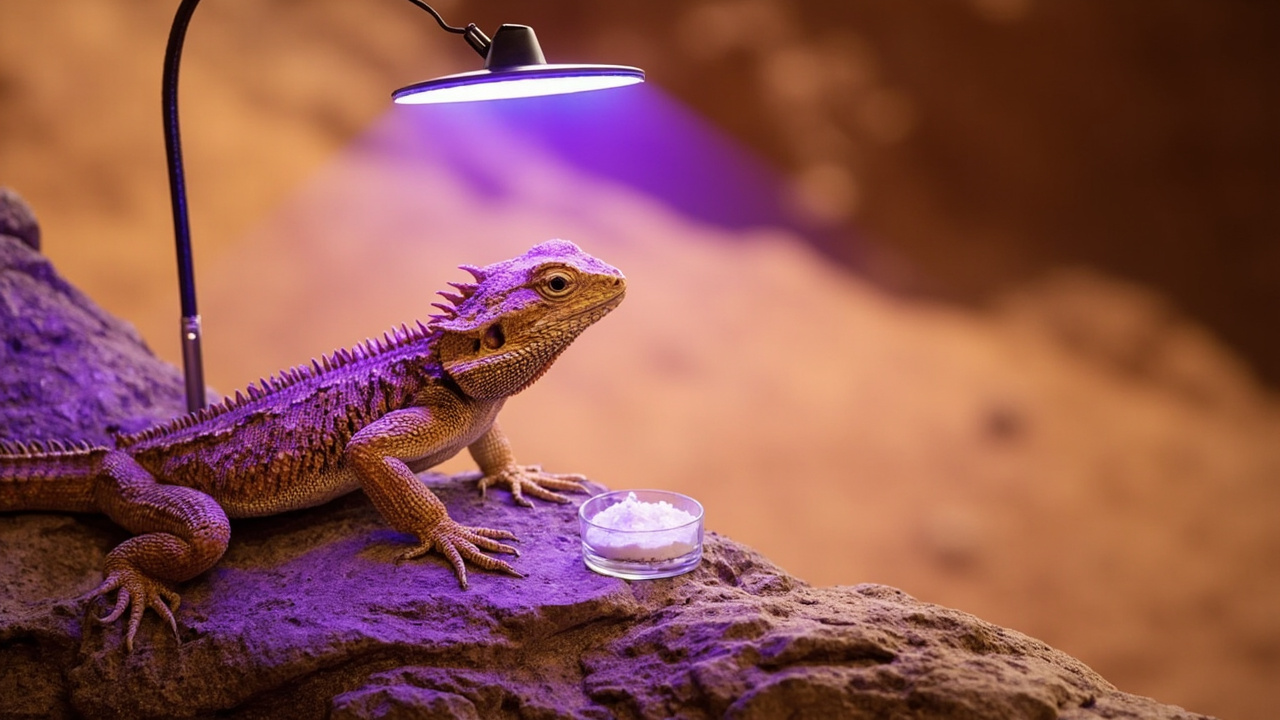
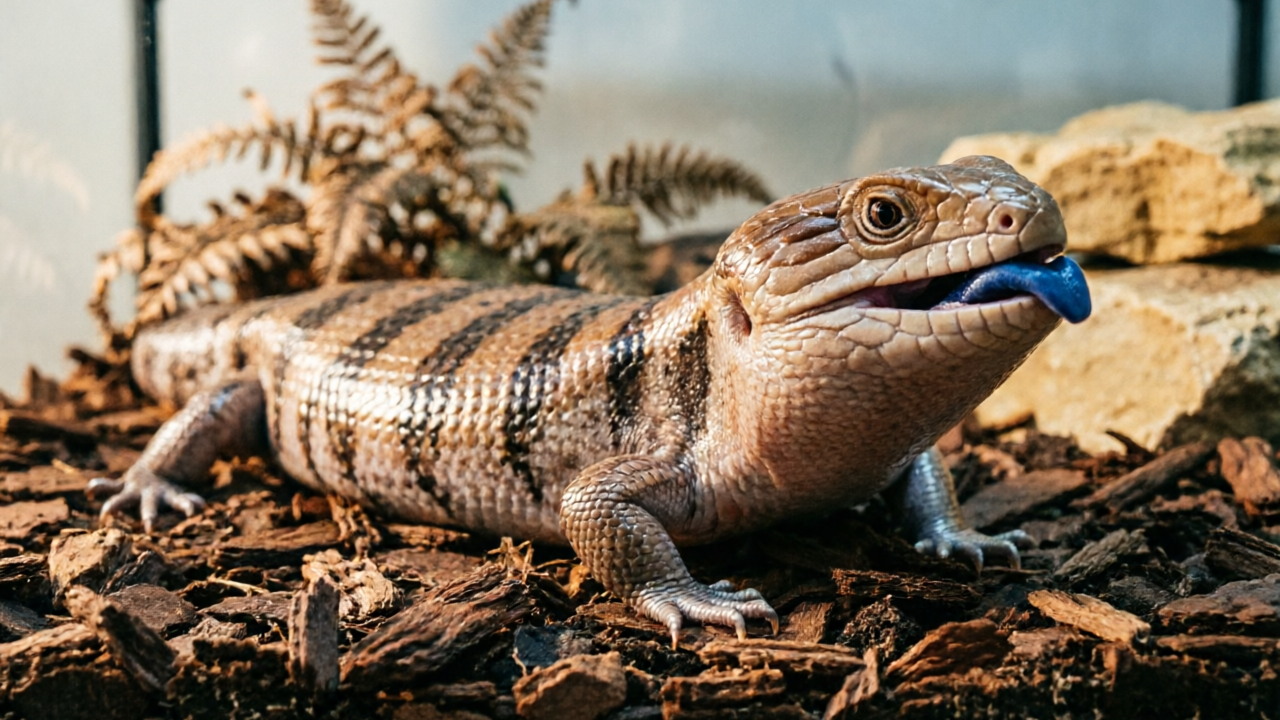
The northern blue tongue skink (Tiliqua scincoides intermedia) is a heavy-bodied, slow-moving lizard from the grasslands and woodlands of northern Australia.
At a glance:
- Enclosure: 50-gallon front-opening terrarium minimum
- Temperature: 85-95°F warm side, 70-75°F cool side, 65-75°F night
- Basking spot: 95-100°F (measured on surface)
- Humidity: 40-60%
- Diet: Omnivorous — 50% protein, 40% vegetables, 10% fruit
- UVB: Required — T5 HO 10.0, 8-10 hours/day
- Lifespan: 15-20 years
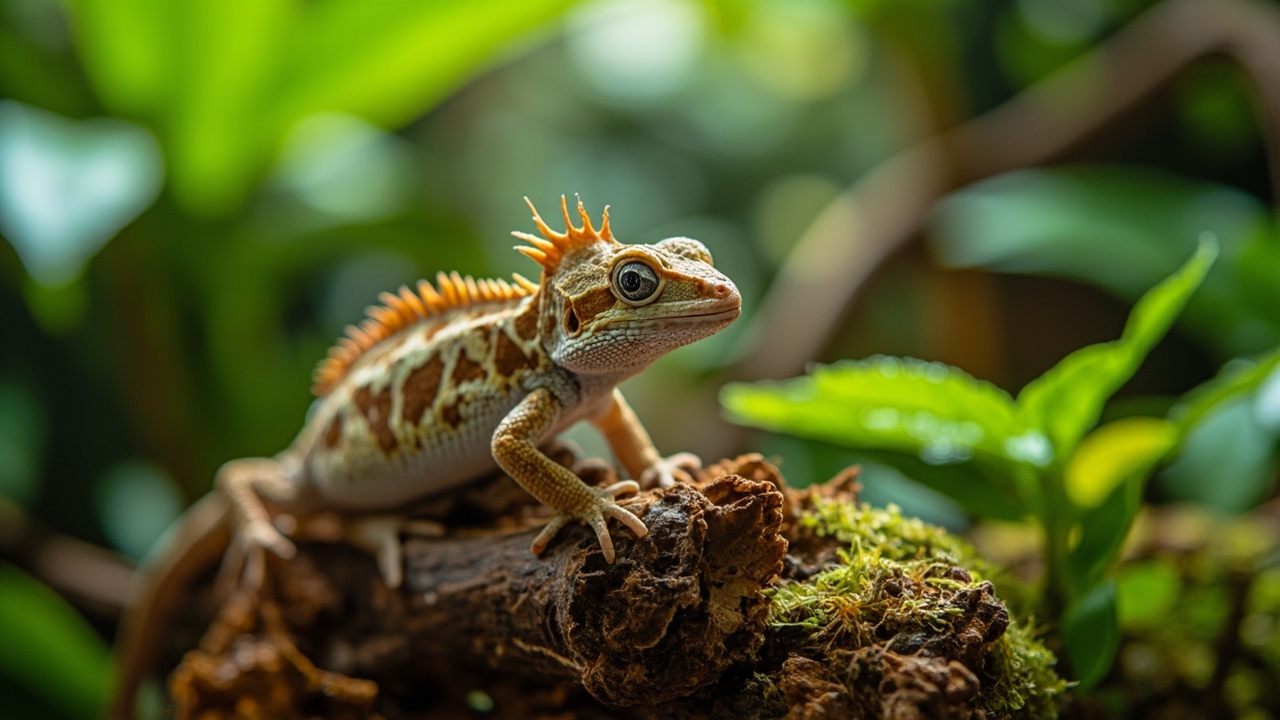
Everything about it is built for a ground-dwelling life — the stout legs, the wedge-shaped head, the smooth overlapping scales that look like chain mail. And then there’s the tongue: a startling, bright blue organ that appears from nowhere when the skink feels threatened, usually accompanied by a flat-bodied hiss that’s more funny than frightening.
Blue tongue skinks sit in a sweet spot in the reptile-keeping world. They’re larger than a leopard gecko or crested gecko, but calmer and less demanding than a bearded dragon. They don’t need live insects every day as an adult. They don’t climb glass. They rarely bite. And their 15-20 year lifespan means you have a genuine companion, not a novelty pet you outgrow.
If you want a lizard that’s visible, handleable, and not trying to escape at every opportunity, a blue tongue skink is a strong candidate. Let’s walk through what they actually need.
Enclosure Setup
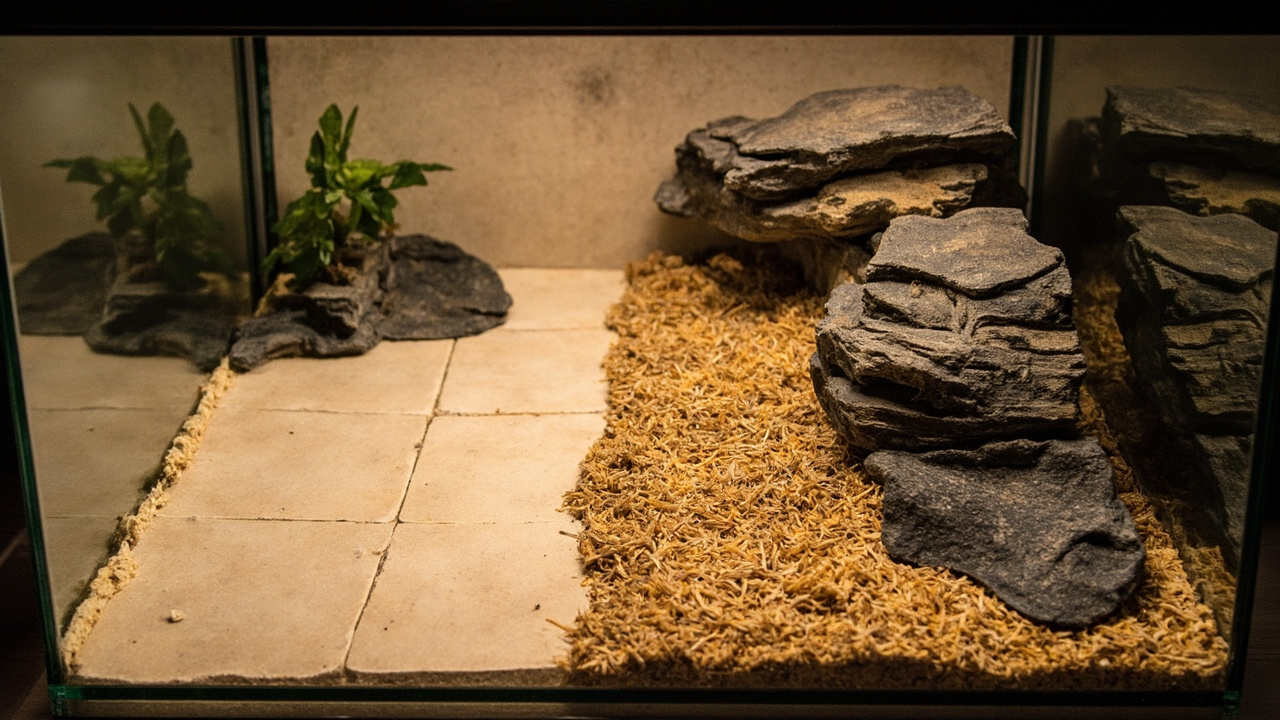
Blue tongue skinks are terrestrial — they don’t climb, they don’t need branches, and they’re not escape artists the way snakes can be. What they need is floor space and a deep substrate layer for burrowing. Height is irrelevant beyond the space needed for a basking lamp fixture. Get those two right and the rest of blue tongue skink care follows.
Minimum Enclosure Size
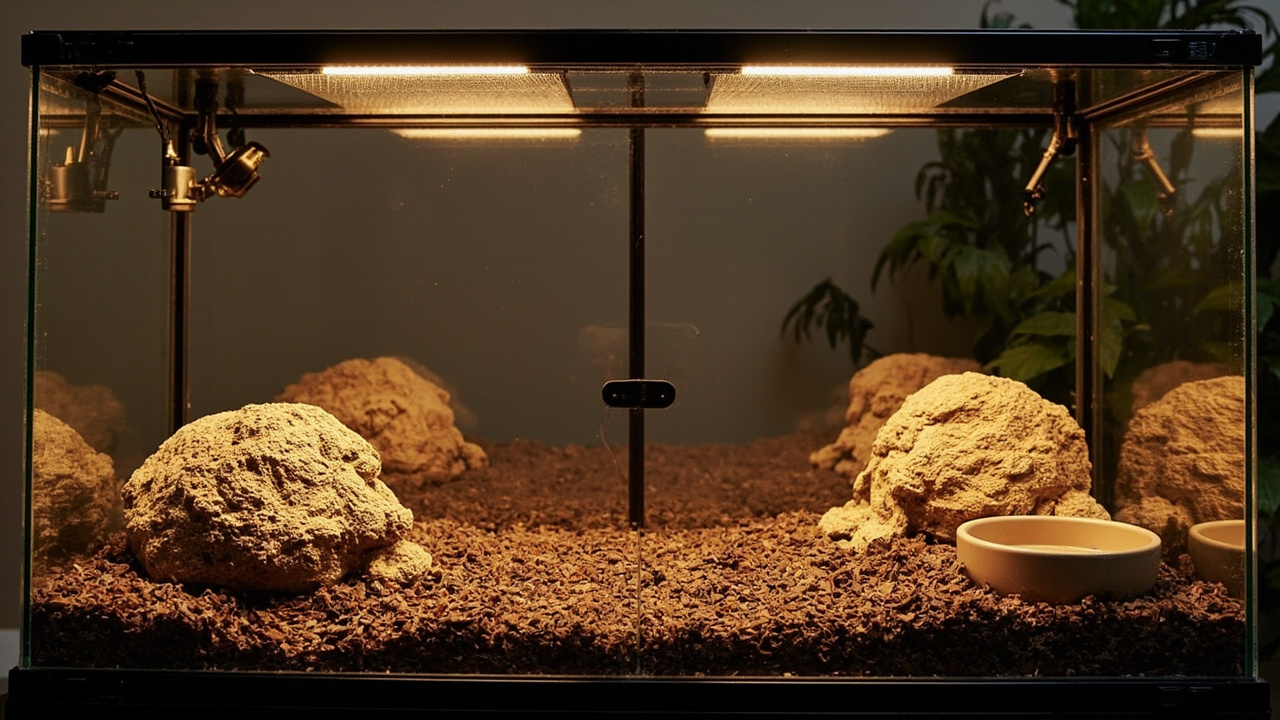
A 50-gallon (36”×18”×18”) is the accepted minimum for a single adult blue tongue skink. A 75-gallon (48”×18”×18”) is better and gives the skink room to establish a proper temperature gradient with a distinct warm end, cool end, and middle zone.
Hatchlings (4-6 inches) can start in a 20-gallon long for their first 6-12 months, but they grow fast — you’ll need the full enclosure by their first birthday. Use the tank size calculator to compare dimensions before you buy.
The REPTI ZOO 50 Gallon Reptile Glass Terrarium Tank ($184.97) is the standard pick — front-opening double hinge doors, 36×18×18 footprint, escape-proof lid with a lock. It’s not fancy, but it matches the BTS minimum exactly, and it’s affordable enough that you can pair it with proper lighting and heating.
Glass vs PVC Enclosures
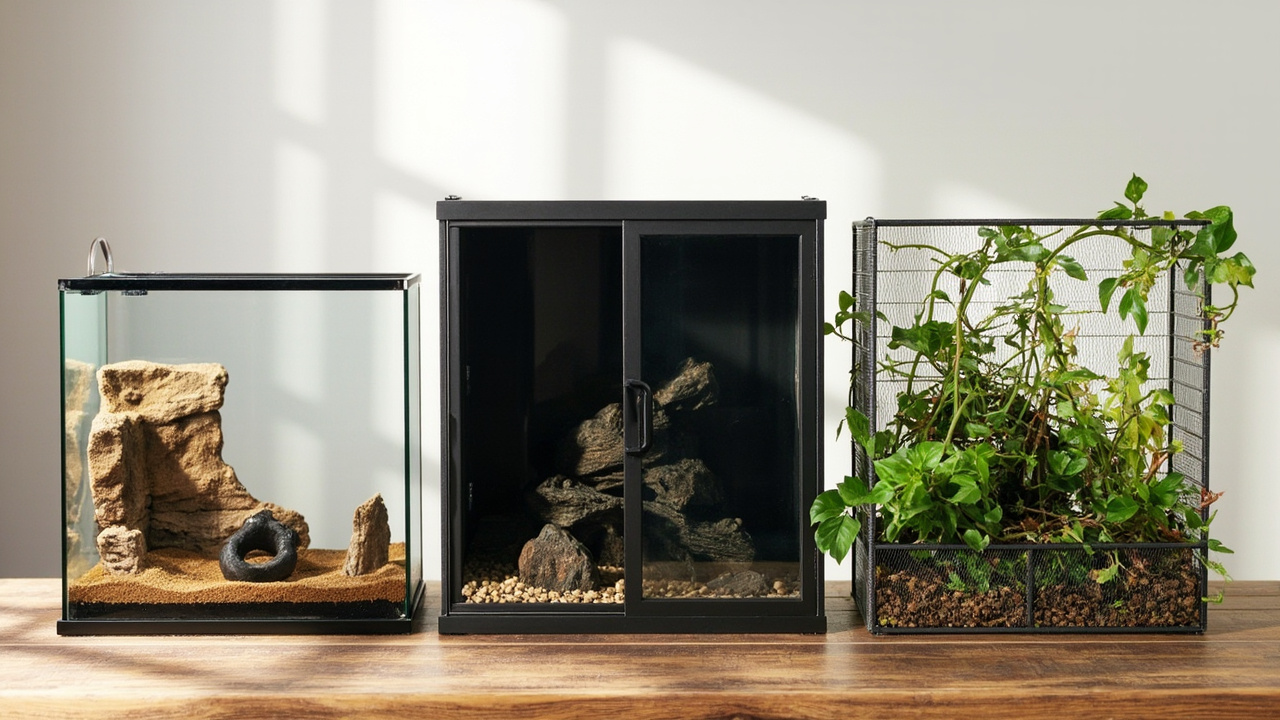
Glass terrariums work fine in most climates. They’re affordable, easy to clean, and give you good visibility. The downside is heat retention — glass loses heat faster than PVC, which matters if you live somewhere with cold winters.
PVC enclosures hold heat and humidity better, weigh less, and are easier to modify for lighting fixtures. They cost 2-3x more than equivalent glass tanks. For a blue tongue skink in a temperate climate, PVC is the superior long-term choice. For a first-time keeper in a warm climate, glass is perfectly adequate. See the full terrarium buying guide for the glass-vs-PVC breakdown.
Enclosure Placement
Place the enclosure in a low-traffic room away from windows (direct sun overheating), A/C vents (drafts cause RI), and exterior doors. Room temperature should sit at 65-75°F — this makes it easier for your heating equipment to maintain the basking gradient without fighting ambient temperature extremes. Location is a one-time decision that makes every other part of blue tongue skink care easier.
Temperature, Lighting, and UVB
This is the section that separates a healthy BTS from a sick one. Blue tongue skinks are diurnal basking lizards, which means they need both heat and UVB — not optional, both required. Getting this half of blue tongue skink care right prevents most vet visits.
Temperature Gradient
| Zone | Target Temperature |
|---|---|
| Basking surface | 95-100°F |
| Warm side ambient | 85-95°F |
| Cool side ambient | 70-75°F |
| Nighttime floor | 65-75°F |
Night drops are natural. If your room temperature stays above 60°F, turning off heat overnight is fine. Below 60°F, use a ceramic heat emitter on a thermostat.
Heat Source
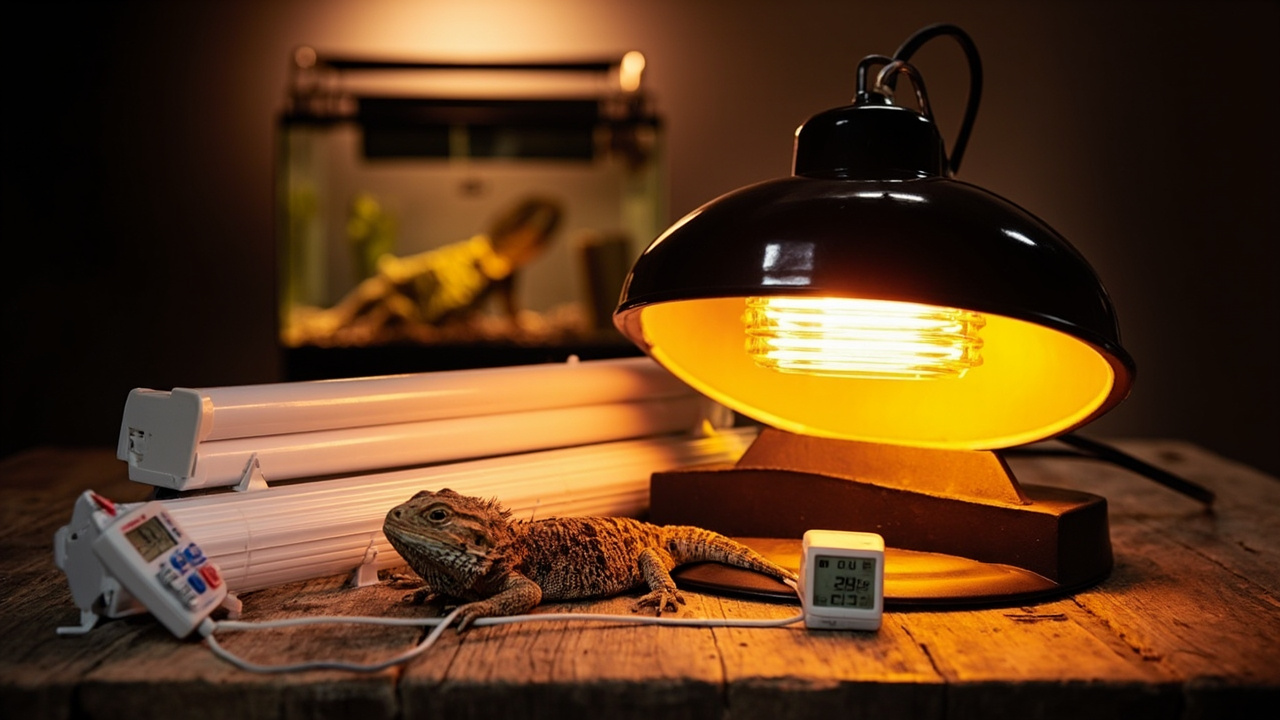
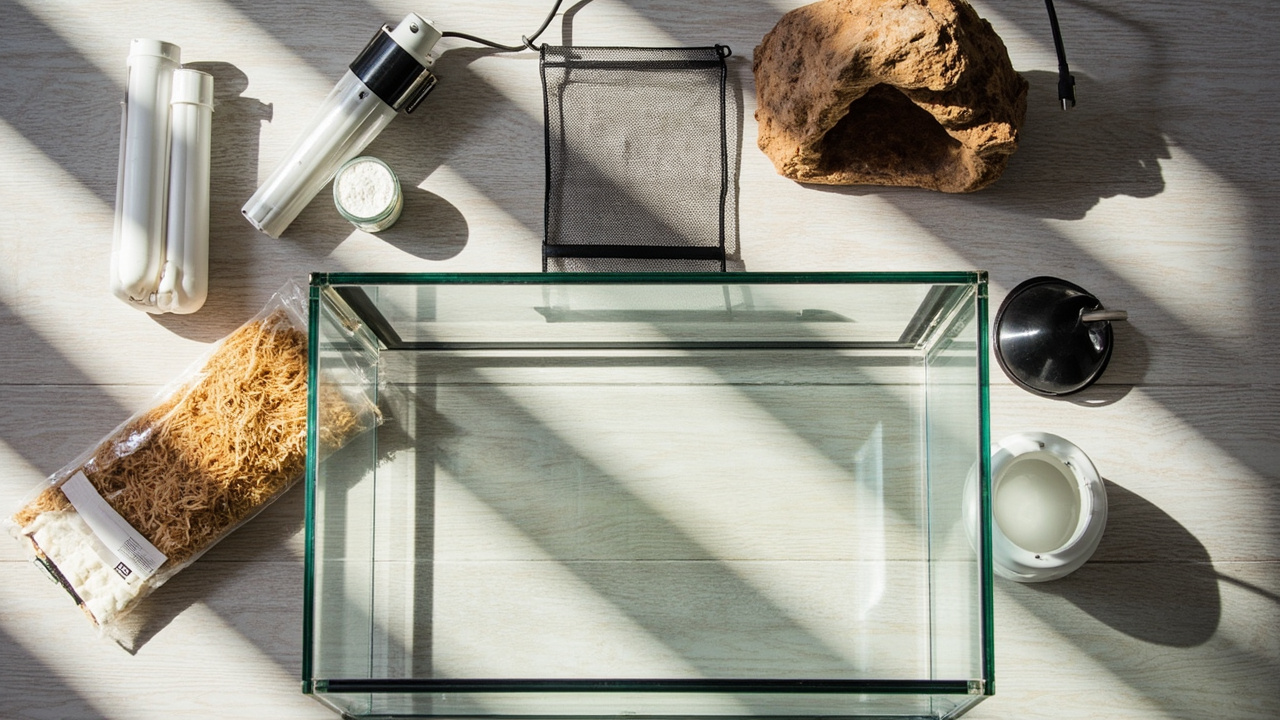
A halogen basking bulb is the right heat source for a blue tongue skink. Halogen bulbs produce focused, directional heat that creates a defined basking spot — exactly what a diurnal lizard needs. The Exo Terra Sun Glo Halogen Basking Spot Lamp 50W ($20.99) works for standard enclosures; 75W may be needed for taller or larger setups.
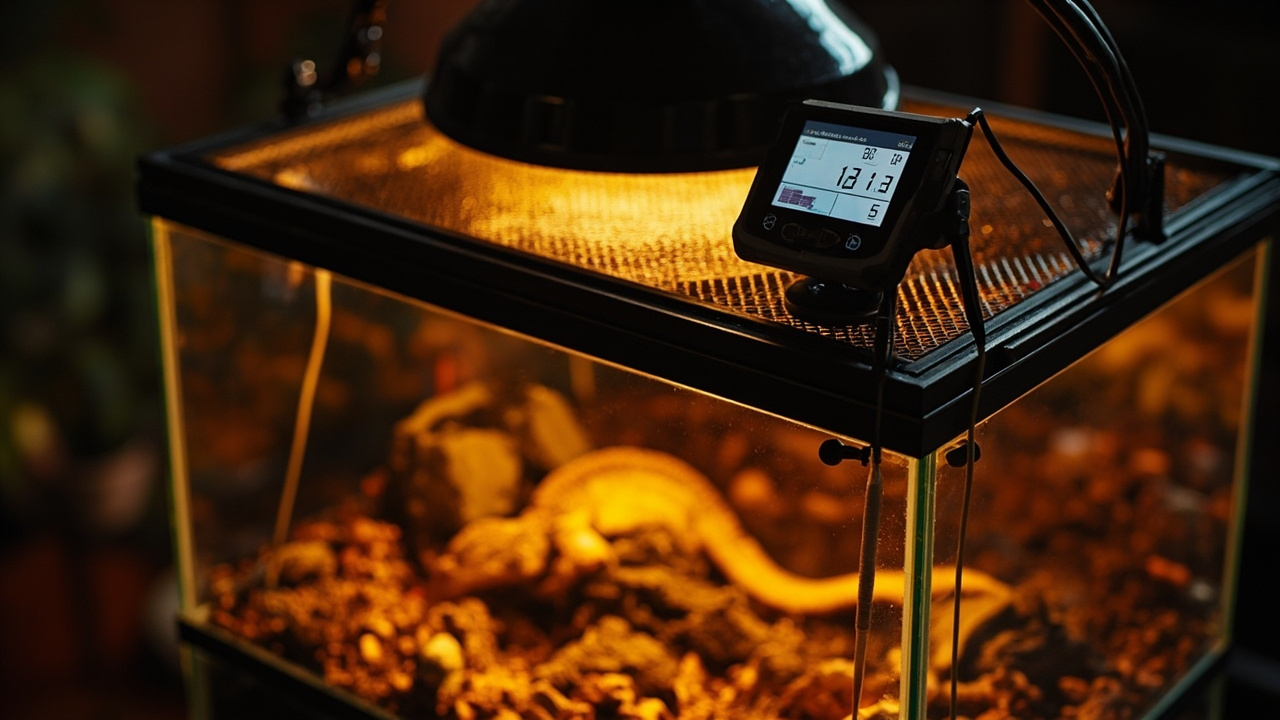
Always use a thermostat with any heat source. The BN-LINK Reptile Thermostat Temperature Controller ($18.99) is an affordable digital unit — plug the halogen bulb into it, set 95°F for the basking zone, and the thermostat maintains the temperature automatically. Without one, basking bulbs can push past 110°F and burn your skink.
No heat rocks (burn risk), no red bulbs (disrupt day-night cycle), and no under-tank heat pads as primary heat (they don’t penetrate substrate well enough for a burrowing skink). For more on heat source choices, see the heat mat vs heat lamp guide.
UVB Requirements
UVB is non-negotiable for blue tongue skinks. As diurnal basking lizards, they need UVB to synthesize vitamin D3, which enables calcium absorption. Without it, they develop metabolic bone disease (MBD) — the number one preventable killer of captive BTS.
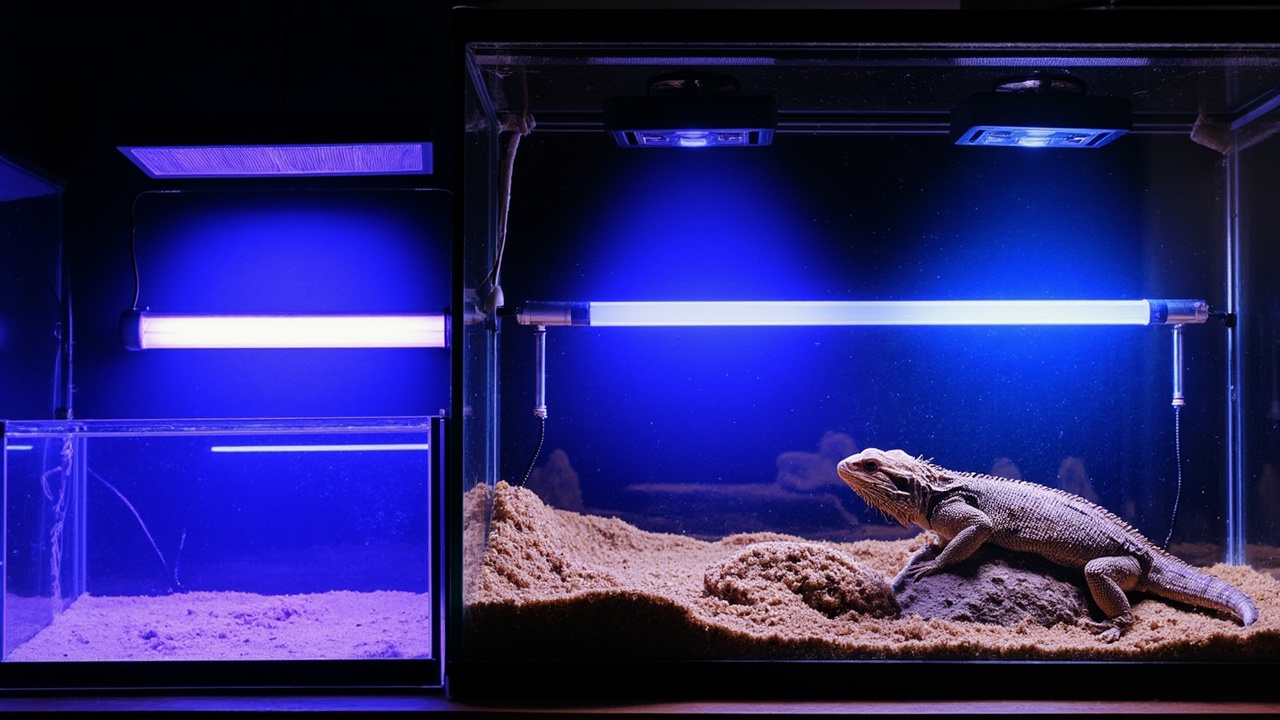
The standard is a T5 HO 10.0 UVB bulb running 8-10 hours per day on a timer. The REPTI ZOO T5 HO UVB Lighting Combo Kit with 10.0 Lamp ($46.79) includes the fixture and bulb — mount it 8-10 inches above the basking surface and replace the tube every 12 months even if it’s still emitting visible light (UVB output degrades over time before the bulb burns out).
For a detailed comparison of UVB types and brands, see the UVB bulb guide.
Temperature Monitoring
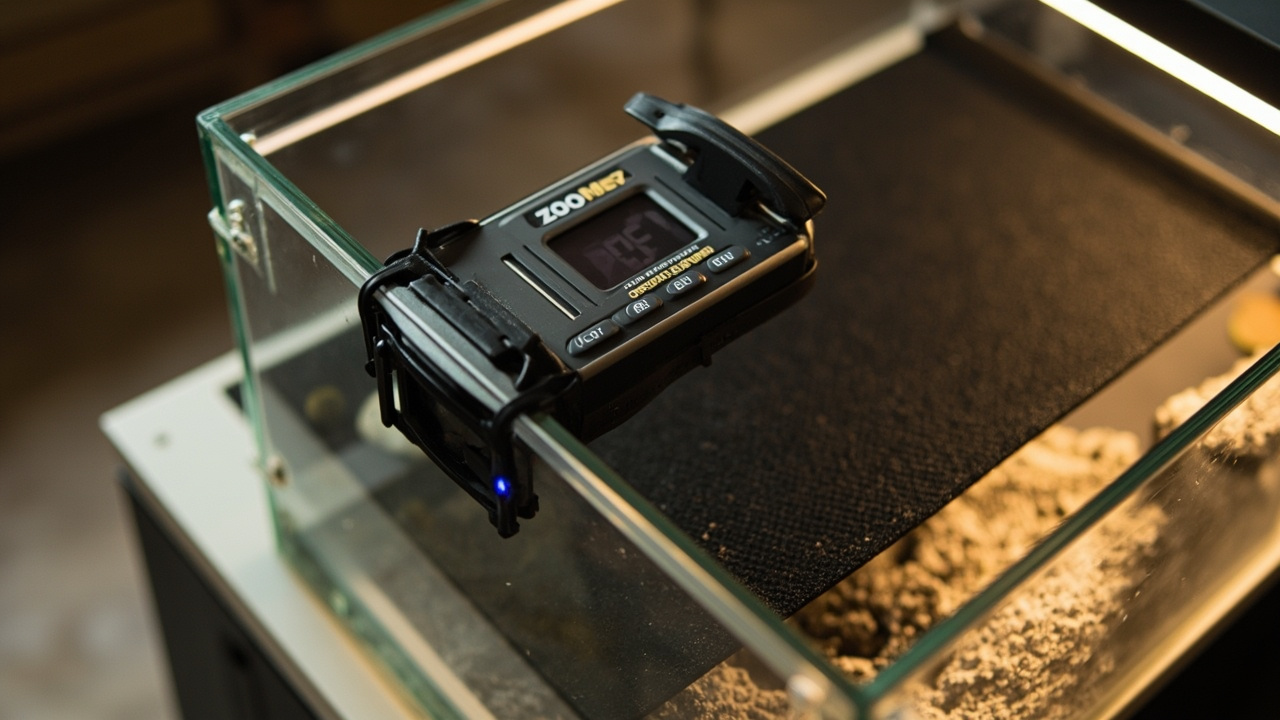
Place a digital thermometer probe on the basking surface and a hygrometer on the cool side for humidity. A temp gun (infrared thermometer) is also useful for spot-checking the basking surface — aim it at the spot where the skink actually sits and confirm it’s hitting 95-100°F. Without monitoring, you’re guessing, and guessing kills BTS.
Substrate and Humidity
Blue tongue skinks need a substrate that holds burrows, maintains moderate humidity, and won’t cause impaction if ingested accidentally during feeding. It’s the least glamorous corner of blue tongue skink care and one of the most decisive.
Substrate Options
Coconut fiber is the best choice for BTS. It holds humidity at 40-60%, allows tunneling, and passes through the digestive system safely if small amounts are swallowed. A 3-4 inch deep layer lets your skink burrow fully — they’ll dig themselves a sleeping chamber every night.
The ZeeDix 2 Pack Coconut Fiber Substrate ($13.99) expands significantly when hydrated — two compressed bricks cover a 50-gallon enclosure with 3-4 inches of depth. It’s clean, low-dust, and holds humidity without getting soggy.
What to avoid:
- Sand — impaction risk is real, especially for juveniles
- Pine/cedar — toxic phenols cause respiratory damage
- Reptile carpet — harbors bacteria in the fibers, impossible to fully clean
- Bark chips — too coarse for burrowing
Humidity Management
Target 40-60% humidity. Blue tongue skinks come from a moderately humid environment — not rainforest-level wet, but not arid like a bearded dragon’s setup.
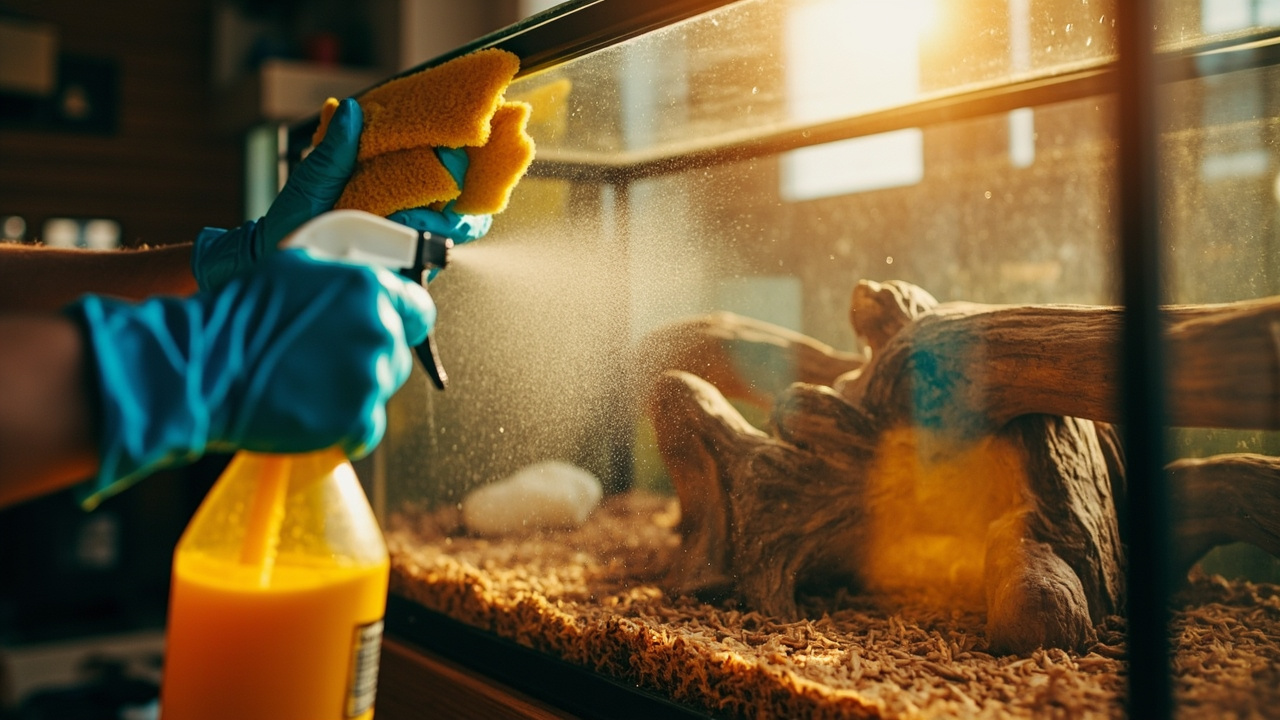
Mist the enclosure once daily in the morning. During shed cycles, add a humidity hide (plastic container with damp sphagnum moss, hole cut in lid) on the warm side. Your skink will use it when it needs extra moisture. Avoid constant humidity above 70% — that’s the pathway to respiratory infections.
Diet and Feeding
Blue tongue skinks are omnivores with a genuinely varied diet. In the wild, they eat insects, snails, fruits, flowers, and the occasional carrion. In captivity, that translates to a balanced mix of protein, vegetables, and supplements — rotation is what keeps blue tongue skink care this forgiving.
Staple Foods
The rough ratio: 50% protein, 40% vegetables/greens, 10% fruit and treats.
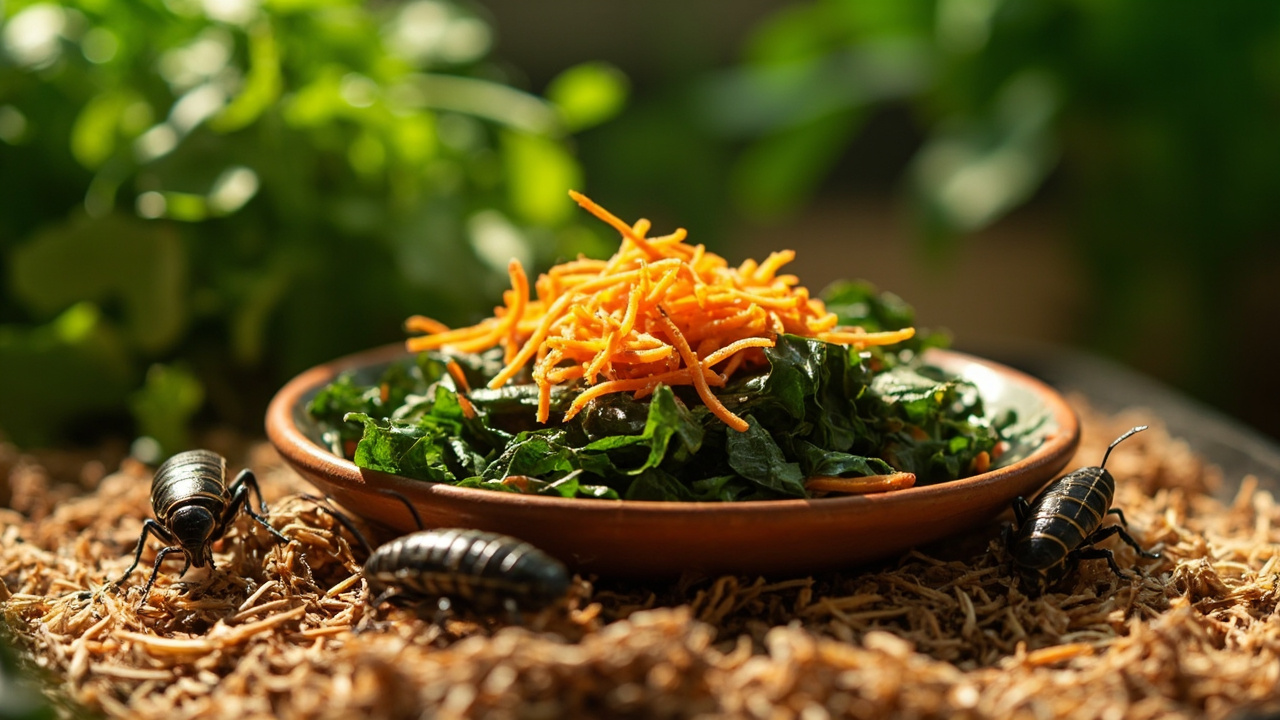
- Protein: Gut-loaded crickets, dubia roaches, superworms (adults only — too hard for juveniles)
- Greens: Collard greens, mustard greens, dandelion greens, endive — the base of every salad
- Vegetables: Butternut squash (finely grated), bell peppers, zucchini, snap peas
- Fruit (treat only, 1-2 small pieces per week): Blueberries, strawberries, raspberries, banana
- Occasional treats: Hard-boiled egg (chopped, shell included for calcium), captive-bred snails, high-quality wet dog food (low sodium, once every 2-3 weeks)
Foods to Avoid
- Avocado — toxic to reptiles
- Rhubarb — toxic
- Fireflies — deadly, even in tiny amounts
- Iceberg lettuce — zero nutritional value, just water
- Citrus fruits — too acidic, causes digestive upset
- Wild-caught insects — pesticide and parasite risk
Feeding Schedule
| Age | Protein | Greens/Veg | Frequency |
|---|---|---|---|
| Hatchling (0-6 mo) | 5-6 small insects | 1 tbsp chopped greens | Daily |
| Juvenile (6-12 mo) | 8-10 medium insects | 2 tbsp salad mix | Every other day |
| Adult (1+ yr) | 4-6 large insects | 1/2 cup salad mix | 3-4 times/week |
Adults don’t need daily feeding. A blue tongue skink eating 3-4 times per week with proper supplementation does better than one fed daily — obesity is a genuine problem in captive BTS, and a fat skink is a sick skink.
Supplementation
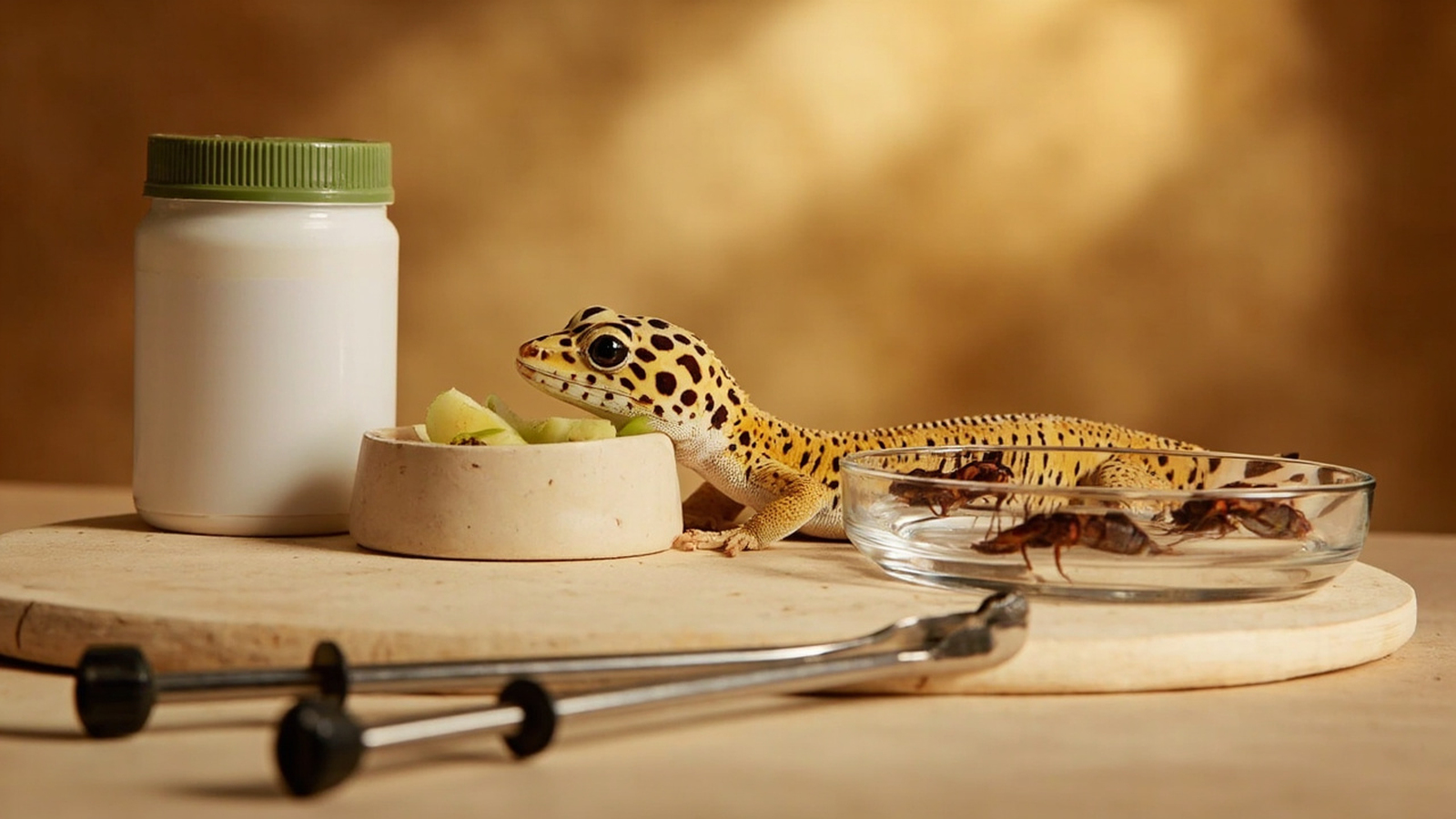
Calcium with D3 should be dusted on every feeding. Without it, no amount of UVB prevents MBD — the UVB triggers D3 synthesis, but the calcium needs to be in the food. The Rep-Cal Phosphorus Free Calcium with Vitamin D3, Ultrafine Powder 3.3 oz ($14.99) is phosphorus-free and ultra-fine — it sticks to insects and greens without clumping. Add a multivitamin once weekly.
The Calcium Equation: Where Diet and UVB Meet
You can feed a perfect menu under a dead UVB bulb and a blue tongue skink still ends up with metabolic bone disease. Run a flawless lighting rig over a calcium-poor diet and the outcome doesn’t change — calcium metabolism works as one chain, and every link has to hold at the same time:
| Link in the chain | What it does | How you supply it |
|---|---|---|
| UVB exposure | Skin converts UVB light into vitamin D3 | T5 HO 10.0 tube, 8-10 hours/day, mounted 8-10 in above the basking surface |
| Vitamin D3 | Lets the gut actually absorb the calcium in food | Made in the skin under the UVB bulb, with a small backup in the dusting powder |
| Dietary calcium | The raw mineral bones are built from | Calcium + D3 dust on every meal plus a weekly multivitamin; Ca:P near 2:1 across the whole diet |
| Phosphorus balance | Excess phosphorus locks calcium out | Phosphorus-free calcium powder; balance phosphorus-heavy insects with high-calcium greens |
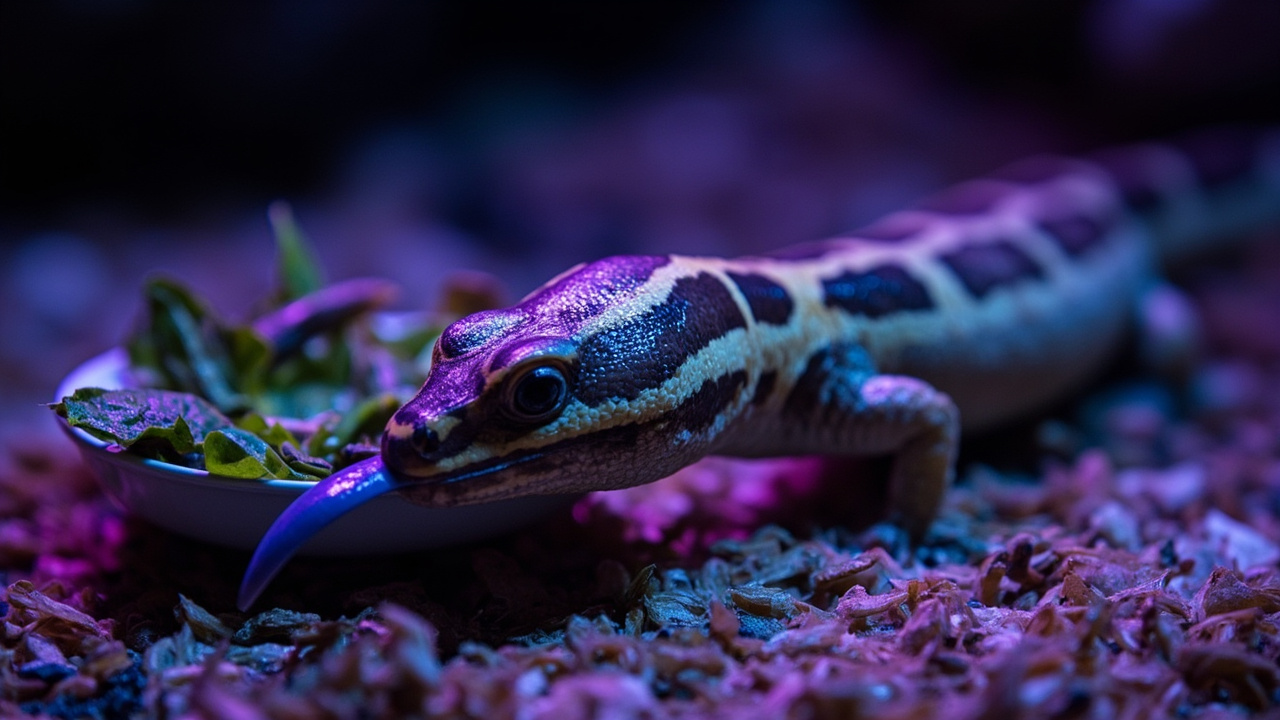
Break any single link and the body keeps demanding calcium anyway — it takes it out of the bones instead, and that’s how MBD develops inside an enclosure that looks perfect from the outside. Feeder insects make this genuinely tricky: their tissue carries more phosphorus than calcium, so an all-insect menu runs the ratio backwards. That’s why collard and mustard greens do real structural work in a blue tongue skink’s diet instead of just decorating the dish, and why the right powder is phosphorus-free. If you ever see a rubbery jaw or trembling limbs, don’t troubleshoot the menu — that’s metabolic bone disease, and it needs a reptile vet.
Bottom line: the bulb makes the D3, the D3 absorbs the calcium, and the diet has to deliver that calcium at roughly 2:1 Ca:P — remove any one link and a blue tongue skink pays for it out of its own bones.
Hides and Decor
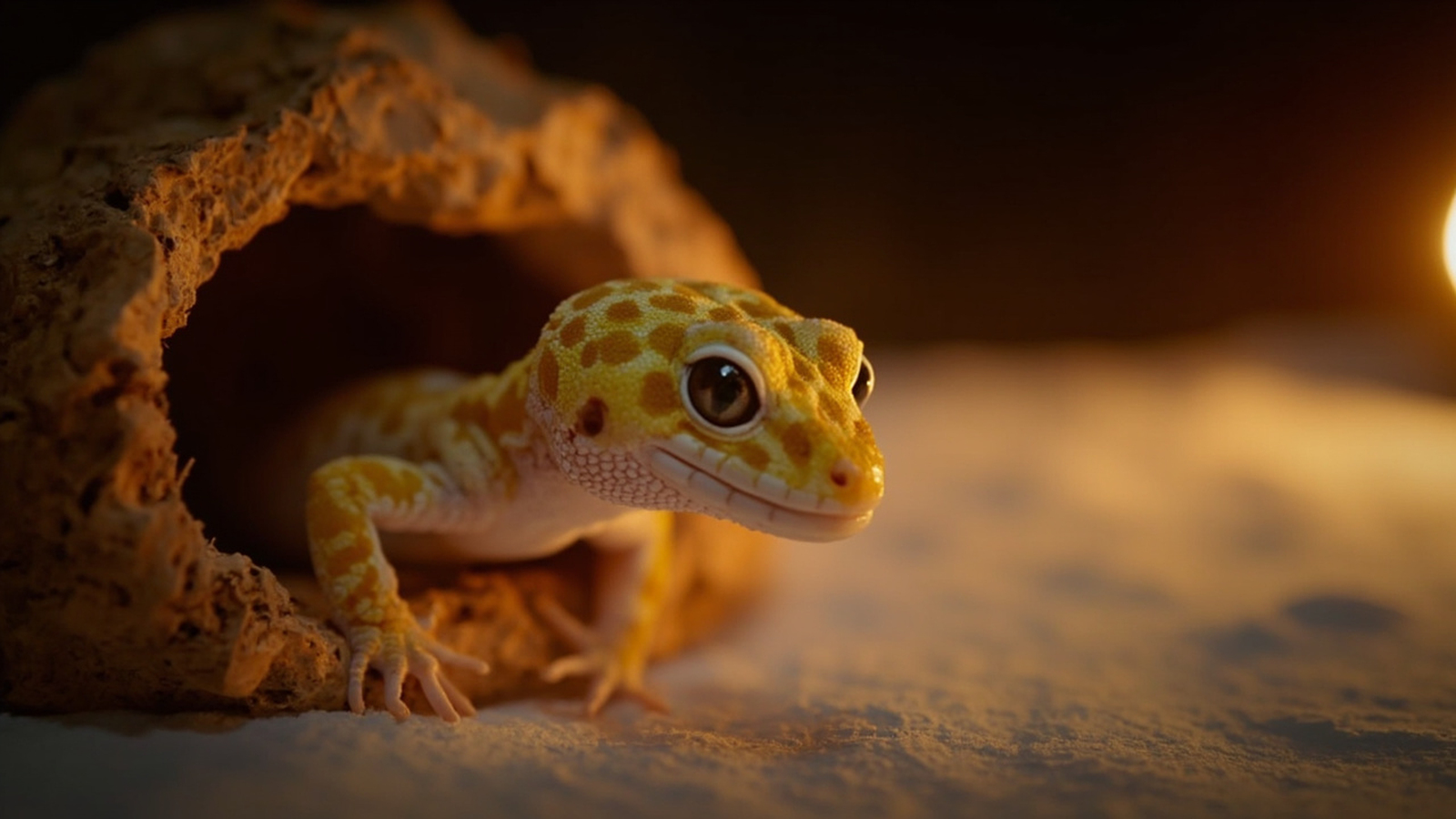
Two hides. Warm side, cool side. Large enough for a full-grown skink (18-24 inches of lizard needs real space — a leopard gecko hide is too small). The LUCOSIU Reptile Simulation Rock Cave Hideout (Large) ($24.99) is a two-piece rock cave with a single entrance — the design matches what BTS naturally seek: a dark, snug spot they can back into.
The water bowl should be heavy ceramic — large enough for the skink to drink and soak in, heavy enough not to tip. The Exo Terra Water Dish, X-Large ($28.99) fits an adult BTS comfortably.
Other useful decor:
- Flat basking rock (slate or flagstone) under the heat lamp — holds heat and provides a consistent basking surface
- Cork bark rounds — they won’t climb much, but they’ll push through them for enrichment
- Fake plants — adds cover without the maintenance of live plants
Handling and Temperament
Blue tongue skinks are one of the calmest pet lizards available. They’re slow-moving, curious, and rarely bite. The blue tongue display (mouth open, tongue out, hissing) looks aggressive, but it’s entirely defensive — they’re trying to make you go away, not attack you. That temperament is half of why blue tongue skink care suits beginners.
Handling Schedule
- First 5-7 days: No handling. Let them acclimate to the new enclosure and eat at least twice.
- Week 2-3: Short sessions — 5 minutes, 2-3 times per week. Keep sessions calm and predictable.
- Week 4+: Work up to 15-20 minutes as the skink relaxes.
When handling, support the whole body with two hands — one under the chest between the front legs, the other under the hindquarters. Blue tongue skinks feel more secure with full body support. Don’t grab from above (triggers the defensive tongue display) and don’t restrain the head.
The Blue Tongue Display
If your skink does the blue tongue display during handling, you’re moving too fast. Put it back in the enclosure, wait a day, and try again with slower movements. Most captive-bred BTS outgrow this behavior entirely after a few months of regular handling. Wild-caught individuals (imported Indonesian subspecies) are more likely to maintain the behavior — another reason to buy a captive-bred Northern. The same acclimation principles apply to most docile lizards; see the leopard gecko tank size guide for a similar approach.
Health and Common Issues
Metabolic Bone Disease (MBD) — #1 Killer
MBD is caused by insufficient UVB or calcium. Signs include a soft jaw (feels rubbery to the touch), limb tremors, lethargy, and difficulty walking. By the time visible symptoms appear, the damage is advanced. Prevention is straightforward: a T5 HO 10.0 UVB bulb on a timer, calcium with D3 on every feeding, and a basking surface at 95-100°F. No shortcuts — that trio is the backbone of preventive blue tongue skink care.
Other Health Issues
- Respiratory infection: Caused by cold temperatures combined with high humidity. Signs: wheezing, open-mouth breathing, mucus at the nostrils. Fix: raise basking temperature to 100°F, lower humidity below 50%. If symptoms persist 48+ hours, see a vet.
- Obesity: Blue tongue skinks gain weight easily. You should be able to feel their ribs with light pressure. If you can’t, reduce portion sizes and cut feeding frequency.
- Impaction: Usually caused by sand or coarse substrate ingestion during feeding. Prevention: use coconut fiber, not sand.
- Stuck shed: Low humidity. Provide a humid hide with damp sphagnum moss.
- Parasites: Weight loss, lethargy, unusual stool. Requires a vet fecal test and treatment.
When to See a Vet
Find a reptile vet before you need one. Go immediately if you see: soft jaw or limb tremors (MBD), not eating for 2+ weeks, respiratory signs not resolving within 48 hours of correcting temperature/humidity, or visible parasites in stool.
Subspecies and Morphs
The “blue tongue skink” label covers several distinct subspecies with different care requirements. The most important distinction for a buyer is Northern vs Indonesian.
Northern vs Indonesian
| Subspecies | Origin | Size | Humidity | Temperament |
|---|---|---|---|---|
| Northern (T. s. intermedia) | Australia | 18-24” | 40-60% | Docile, hardy |
| Indonesian (T. s. scincoides) | Indonesia | 16-22” | 60-80% | More variable |
| Merauke (T. s. gigas) | Papua | 24-30” | 70-85% | Skittish, demanding |
| Irian Jaya (hybrid zone) | Papua | 18-22” | 50-70% | Variable |
Recommendation for beginners: Northern only. They’re hardier, more forgiving of minor husbandry mistakes, and almost always captive-bred. Indonesian and Merauke subspecies require higher humidity and come from wild-caught stock more often.
Common Morphs
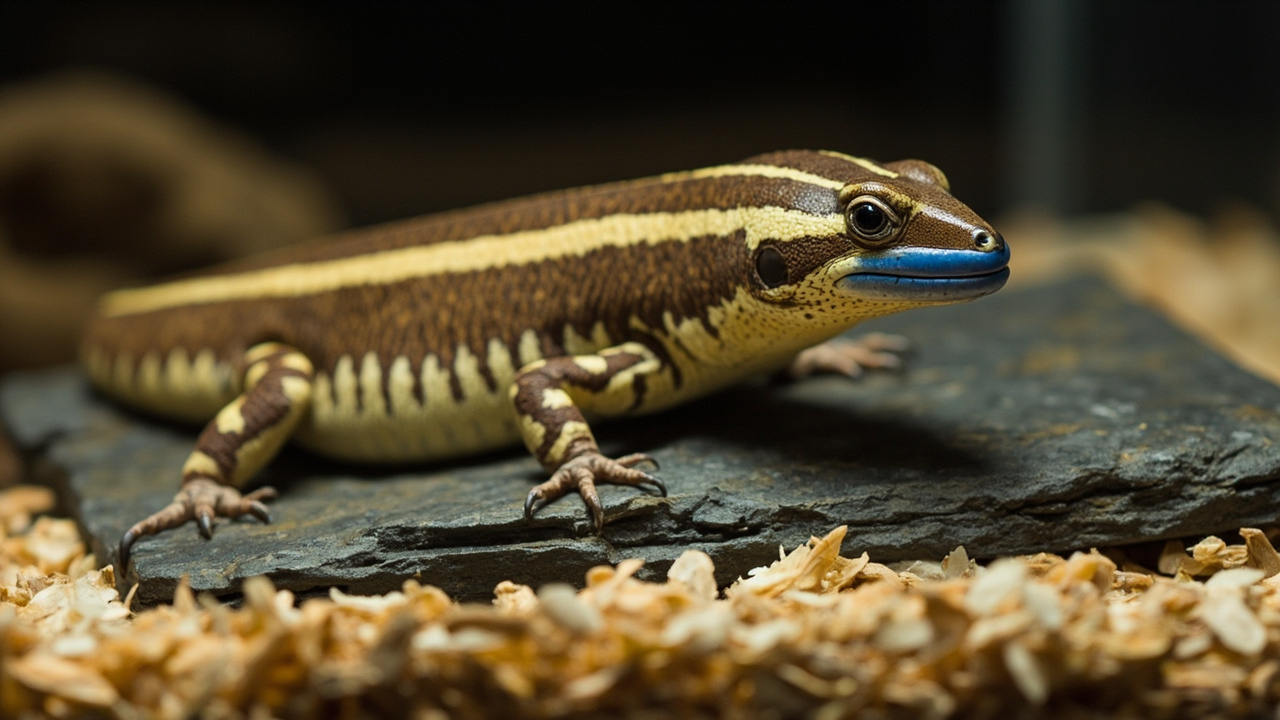
- Classic (wild-type Northern): Silver-grey body with dark brown bands across the back and sides
- Albino: Yellow/cream body with red eyes — no dark pigment
- Hypomelanistic (Hypo): Reduced dark pigment, lighter overall appearance
- Axanthic: Muted coloration with reduced yellow and red tones
Prices range from $200-$300 for a classic Northern to $800-$1,500 for rare morphs. Reputable breeders on MorphMarket or at reptile expos are the best sources. Avoid pet store wild-caught stock — the price is tempting, but the health problems and quarantine requirements aren’t worth it.
Lifespan and Commitment
A blue tongue skink is a 15-20 year commitment, with well-maintained individuals living 25-30+ years. That’s longer than most dogs and on par with many cats. Before buying one, consider: do you have a stable living situation for two decades? Someone to care for the skink when you travel? Access to a reptile vet?
The initial setup cost runs $250-$400 for a complete 50-gallon enclosure with lighting, heating, substrate, and decor. Monthly costs are low — insects, fresh greens, and supplement powder come to roughly $30-$50 per month. The up-front cost isn’t trivial, but the long-term expense is manageable.
If you’re deciding between a blue tongue skink and another lizard, the trade-off is straightforward. A bearded dragon needs daily insect feeding and larger enclosures. A leopard gecko or crested gecko takes less space but doesn’t offer the same handleable, visible presence. The blue tongue skink sits in the middle — more involved than a gecko, less demanding than a beardie, and with a personality that’s genuinely its own. Budget two decades, not two years; that’s the honest cost of blue tongue skink care.
Sources
- ReptiFiles Blue Tongue Skink Care Guide — type: authority; access-year: 2026
- Merck Veterinary Manual: Overview of Reptiles — type: authority; access-year: 2026