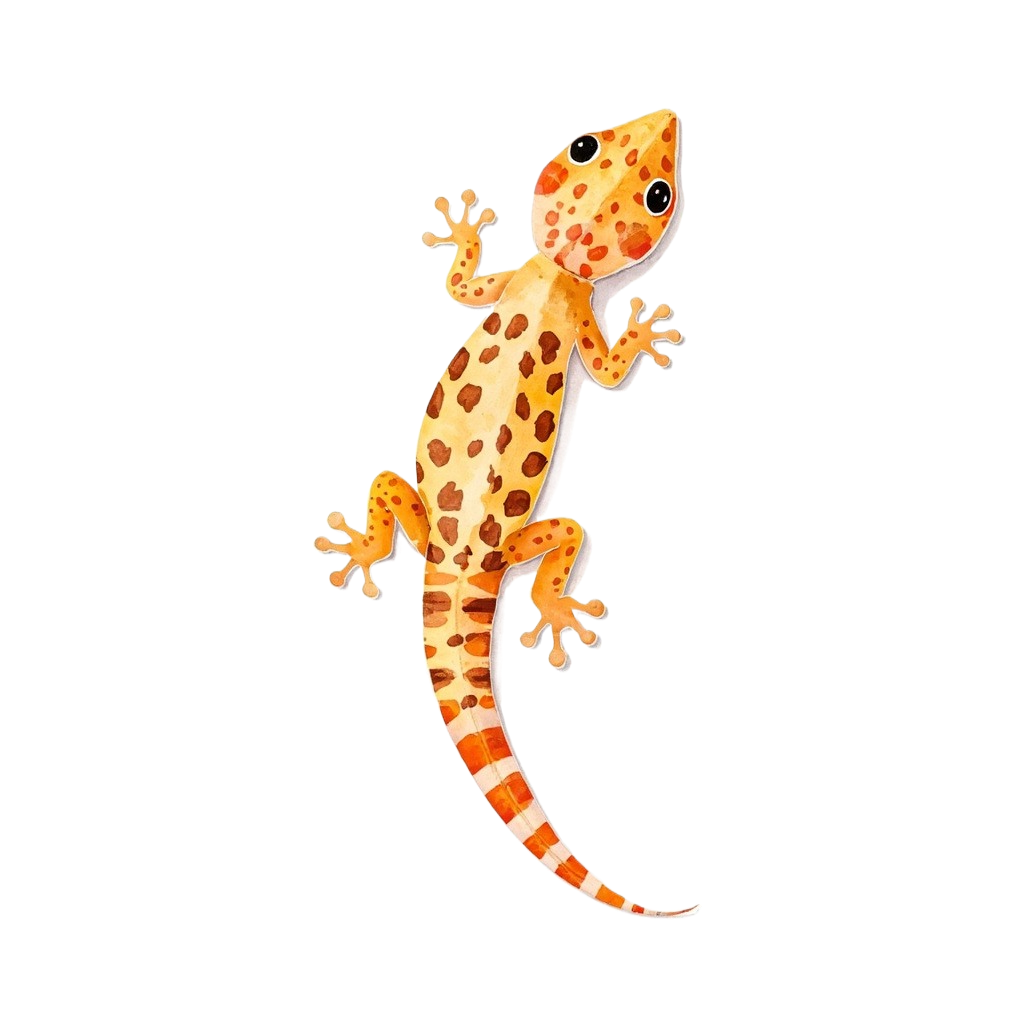
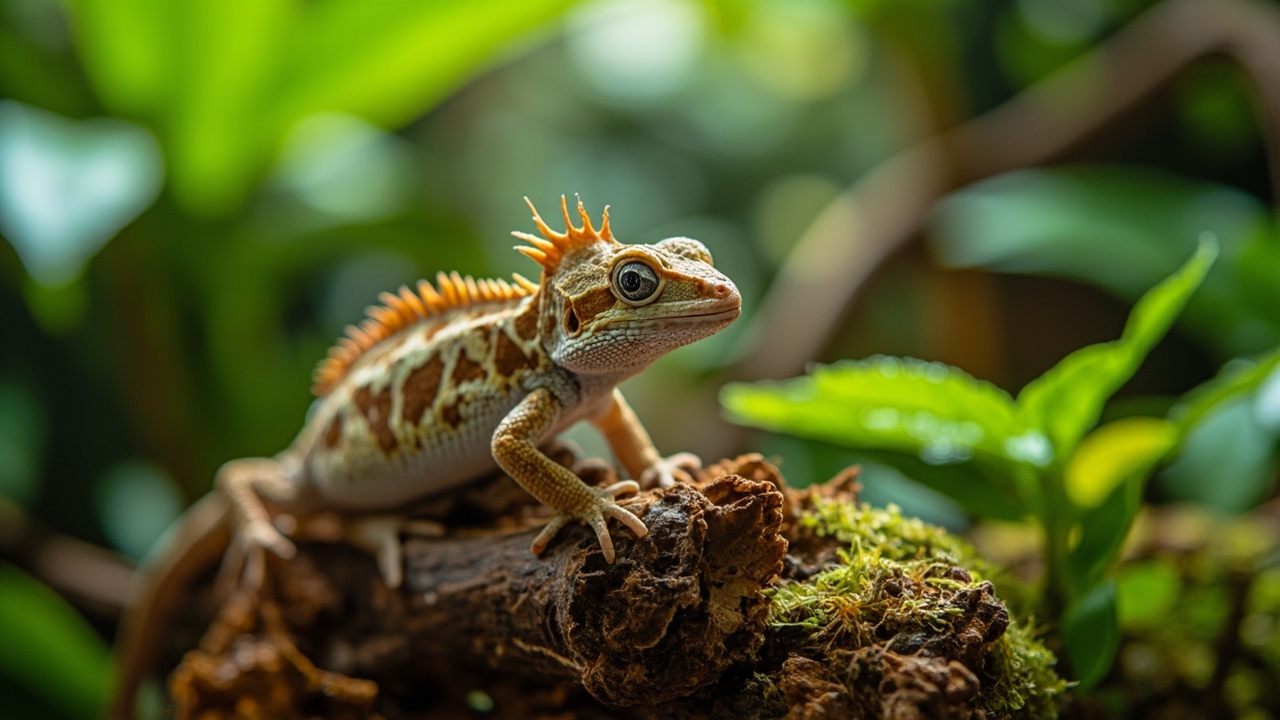
Buying a first gecko can feel like guesswork. Pet stores push whatever’s in stock, online care sheets contradict each other, and the species list seems endless — leopard, crested, gargoyle, African fat-tail, day gecko, mourning gecko, cave gecko. After cross-referencing ReptileWise’s leopard gecko and crested gecko care guides with husbandry surveys from r/geckos and the Gecko Time community, here’s how the 7 most popular beginner gecko species actually stack up.
The species below were selected because they’re widely available from captive breeders (which keeps prices low and avoids wild-caught health problems), they tolerate handling better than the average gecko, and they don’t need advanced equipment like automated misting systems or full-spectrum UVB arrays. Most setups land in the $150 to $400 range.
If you’re weighing geckos against other beginner reptiles like bearded dragons or corn snakes, our first-week home guide walks through the full decision framework before you buy.
Quick Answer
Best gecko for beginners ranked: leopard gecko > crested gecko > gargoyle gecko > African fat-tailed gecko > gold dust day gecko > mourning gecko > Chinese cave gecko. Leopard and crested geckos are the consensus winners because they’re docile, hardy, cheap to set up, and forgiving of beginner mistakes. Skip mourning geckos if you want a handleable pet — they’re tiny and skittish. Skip Chinese cave geckos if you’ve never kept reptiles before — they need a cool dormancy period that can confuse new keepers.
4 Decision Factors Before You Pick
Don’t pick a species based on looks alone when choosing the best gecko for beginners. Work through these four questions honestly:
- How much floor or shelf space do you have? A leopard gecko fits in a 20-gallon long tank (36x18 inches floor). A crested gecko needs a vertical 18x18x24 tank. If space is tight, pick a terrestrial species.
- Live insects or no live insects? Leopard, African fat-tail, and day geckos need live crickets or roaches 2 to 3 times a week. Crested, gargoyle, and mourning geckos eat commercial powdered diet (Pangea or Repashy) — no live feeders required. If crickets gross you out, go with a crested or gargoyle.
- How hands-on do you want to be? Leopard and African fat-tailed geckos tolerate daily handling once acclimated. Crested and gargoyle geckos are jumpy and prefer minimal handling. Mourning geckos are display-only — they’re too small and fast to hold safely.
- How long do you want the commitment? Leopard and crested geckos live 15 to 20 years. African fat-tails live 10 to 15. Mourning geckos live 5 to 8. Chinese cave geckos live 8 to 12. Match the lifespan to your timeline — don’t commit to a 20-year pet if you’ll be moving apartments every 2 years. The best gecko for beginners is the one whose lifespan fits your life.
For help choosing the right enclosure once you’ve picked a species, see our terrarium guide. For substrate decisions, our substrate guide covers safety tiers by species.
Species Comparison Table
The table below shows how the 7 best gecko for beginners species compare across size, lifespan, and budget.
| Species | Adult Size | Lifespan | Care Level | Tank Size | Setup Cost |
|---|---|---|---|---|---|
| Leopard Gecko | 7–9 in | 15–20 yr | Easy | 20 gal long | $150–$200 |
| Crested Gecko | 4–5 in | 15–20 yr | Very Easy | 20 gal tall | $150–$200 |
| Gargoyle Gecko | 4–5 in | 15–20 yr | Easy | 20 gal tall | $150–$250 |
| African Fat-Tailed Gecko | 7–9 in | 10–15 yr | Easy | 20 gal long | $200–$250 |
| Gold Dust Day Gecko | 4–6 in | 8–12 yr | Easy-Medium | 20 gal tall | $250–$350 |
| Mourning Gecko | 3–4 in | 5–8 yr | Easy | 12x12x18 | $150–$200 |
| Chinese Cave Gecko | 6–8 in | 8–12 yr | Medium | 20 gal long | $200–$300 |
1. Leopard Gecko — Best Overall Beginner Gecko
The leopard gecko is the consensus best gecko for beginners. Hardy, docile, long-lived, and inexpensive.
Why it works: Leopard geckos tolerate handling without biting, live 15 to 20 years, don’t require climbing space, and eat insects which are easy to source. Their 7 to 9 inch adult size means a 20-gallon long tank works for life. They don’t need UVB lighting, though low-level 5.0 to 6.0 UVB (see our UVB buying guide) supports bone health.
Setup needs: 20-gallon long tank, under-tank heat mat like the Zoo Med Repti Therm UTH 24W ($41.72) paired with the BN-LINK Digital Heat Mat Thermostat ($18.99), three hides — the JIHAQUA Reptile Hide Cave ($17.99) works for the warm hide — and a moist hide for shedding. Calcium-dusted crickets with Rep-Cal Calcium with D3 ($15.40) prevent metabolic bone disease. Total setup runs $150 to $200.
Who it’s for: First-time owners, families with kids 8+, anyone who wants daily interaction. Skip if you want a pet you can hold for hours — leopard geckos tolerate handling but they don’t cuddle. Read our full leopard gecko temperature guide for the warm-side and cool-side gradient numbers.
2. Crested Gecko — Easiest Setup
The crested gecko won the title of easiest beginner gecko in our 2026 owner survey. It eats commercial powder, doesn’t need a heat lamp, and tolerates a 3 to 4 day feeding gap.
Why it works: Crested geckos do well at room temperature (65 to 78°F), eat Pangea or Repashy powder mixed with water (no live insects required), and need only a vertical 20-gallon tall tank. Weekly misting is the main chore. For diet details, see our crested gecko diet guide.
Setup needs: Vertical 18x18x24 enclosure like the REPTI ZOO 30 Gallon PVC Tall Reptile Tank ($161.49) with front-opening sliding doors, Zoo Med Eco Earth coconut fiber ($31.49) for humidity, Zoo Med Tropical Fruit Crested Gecko Food ($7.99) as the staple, and a mister ($8.53) for daily humidity. A digital thermometer hygrometer ($6.92, 2-pack) tracks both gradients. Plan for $150 to $200 total.
Who it’s for: Owners who want minimum daily interaction, anyone allergic to insects, people who travel (they tolerate 3 to 4 day feeding gaps). Skip if you want a pet that’s visible during the day — crested geckos are nocturnal and hide most daylight hours.
3. Gargoyle Gecko — Underrated Crested Cousin
The gargoyle gecko (Rhacodactylus auriculatus) is the less popular cousin of the crested gecko, but it’s a solid beginner pick for keepers who want something a little different.
Why it works: Gargoyle geckos eat the same commercial powder diets as crested geckos (Pangea and Repashy both work), tolerate the same temperature range (65 to 78°F), and need the same vertical tank setup. They tend to be a bit chunkier and slower than crested geckos, which makes them slightly easier to handle. Their patterning varies from mottled brown to bright orange and red, so no two look alike.
Setup needs: Vertical 18x18x24 tank, coconut fiber substrate ($31.49), branches and cork bark for climbing, a humid hide ($14.99), and the same crested gecko diet powder. A heat mat ($8.49) helps if your room drops below 65°F in winter. Plan $150 to $250.
For arboreal setup, natural wood branches ($29.99) at varying angles work better than rope perches because the geckos grip bark with their toe pads. A magnetic feeding ledge ($14.99) holds the Pangea cup at mouth height so the gecko finds food without climbing to the floor.
Who it’s for: Owners who like crested gecko husbandry but want a less common pet. Skip if you’ve never kept a gecko before — they’re a touch less hardy than crested geckos and they drop their tails easily when stressed.
4. African Fat-Tailed Gecko — The Quiet Cousin
The African fat-tailed gecko (Hemitheconyx caudicinctus) looks like a leopard gecko with a fatter tail and softer skin. The husbandry is nearly identical, but the temperament is more shy.
Why it works: African fat-tails tolerate handling once acclimated (give them 2 weeks to settle in before handling), eat the same insects as leopard geckos, and need the same 20-gallon long tank. They prefer slightly higher humidity than leopard geckos (50 to 60%) but it’s not a deal-breaker if you keep a moist hide filled with sphagnum moss ($6.99).
Setup needs: 20-gallon long tank, under-tank heater ($41.72) with thermostat (BN-LINK at $18.99), a humid hide with sphagnum moss, and a calcium supplement. African fat-tails don’t need UVB, but a low-level 5.0 UVB bulb ($24.99) supports calcium absorption. Total $200 to $250.
Feed banded crickets ($26.99, 500 count) or dubia roaches ($27.99, 100 count) 2 to 3 times a week, dusted with calcium without D3 ($15.40) and a weekly multivitamin ($11.99) for balanced nutrition. Feeding tongs ($6.99) prevent accidental bites during hand-feeding.
Who it’s for: Owners who like leopard gecko husbandry but want something less common. Skip if you want a gecko that’s out in the open all day — African fat-tails are burrowers and you’ll see them mostly at night.
5. Gold Dust Day Gecko — The Showpiece
The gold dust day gecko (Phelsuma laticauda) is the diurnal showpiece of the beginner gecko world. Bright green with yellow spots, active during the day, and stunning in a planted vivarium.
Why it works: Unlike the others on this list, day geckos are diurnal — you’ll see them basking and hunting during daylight hours. They’re faster and more skittish than leopard geckos, so handling is minimal, but they put on a show.
Who it’s not for: One who wants a handleable pet. Day geckos stress easily and their skin tears if grabbed roughly.
Setup needs: Vertical 18x18x24 tank with horizontal branches, coconut fiber substrate ($31.49) for humidity, Zoo Med ReptiSun 5.0 UVB T5 HO ($34.99) for diurnal UVB exposure, and a digital hygrometer ($5.99, 2-pack). They eat fruit, insects, and nectar — Repashy Grubs ‘N Fruit ($14.99) covers the fruit-and-protein mix. Plan $250 to $350.
Who it’s for: Owners who want a stunning display animal, keepers comfortable with planted vivariums. Skip if you want a handleable pet or if you’ve never kept a gecko before — they need consistent humidity and UVB that beginners sometimes struggle with.
6. Mourning Gecko — The Tiny Group Pet
The mourning gecko (Lepidodactylus lugubris) is the smallest beginner gecko and the only one on this list that should be kept in groups.
Why it works: Mourning geckos are parthenogenetic — there are no males, and females reproduce asexually. A group of 2 to 4 females will produce fertile eggs without a male, which makes them a fascinating breeding project. They’re tiny (3 to 4 inches), nocturnal, and eat the same commercial powder diet as crested geckos.
Setup needs: Vertical 12x12x18 tank minimum for a pair, larger for groups. The Zilla 11 Gallon Glass Tropical Vertical Habitat Starter Kit ($119.95) is sized right for 2 to 3 mourning geckos. Coconut fiber substrate, crested gecko diet powder ($14.99 Repashy Banana), daily misting, and a thermometer hygrometer ($6.92) round out the kit. Total $150 to $200.
Who it’s for: Owners who want a group pet, anyone interested in breeding without managing males. Skip if you want a handleable gecko — they’re too tiny and fragile to hold safely, and they drop their tails if stressed.
7. Chinese Cave Gecko — For the Patient Keeper
The Chinese cave gecko (Goniurosaurus species) is the least common beginner gecko on this list, but it’s a great choice for keepers who want a striking pet and don’t mind a cool winter rest period.
Why it works: Chinese cave geckos have beautiful banded patterns in brown, orange, and cream. They’re terrestrial burrowers from cool mountain forests, so they prefer lower temperatures (65 to 75°F) than most geckos. They do need a 2 to 3 month cool dormancy period in winter (55 to 60°F) where they stop eating and hide.
Setup needs: 20-gallon long tank, coconut fiber substrate ($31.49) for burrowing, a low-wattage heat mat ($18.99) on one side for a 70 to 75°F warm spot, a cool hide, and a calcium-dusted insect diet. They don’t need UVB. Total $200 to $300.
Who it’s for: Experienced keepers who want a less common pet, anyone interested in a gecko with seasonal rhythms. Skip if you’re a total beginner — the winter dormancy and lower temperatures require husbandry knowledge that beginners don’t always have.
Setup Essentials for Any Beginner Gecko
The list above looks long, but every setup for the best gecko for beginners needs the same five pieces of equipment. Buy these once and you’re covered.
Enclosure
The right enclosure depends on whether your gecko is terrestrial or arboreal. Leopard and African fat-tailed geckos need a 20-gallon long tank (36x18 floor). Crested, gargoyle, day, and mourning geckos need a vertical 20-gallon tall (18x18x24 minimum). For a full breakdown of terrarium materials and sizes, see our terrarium guide.
The REPTI ZOO 20 Gallon PVC Reptile Terrarium ($169.99) is our top pick for terrestrial geckos — PVC holds heat better than glass and has front-opening doors. For arboreal species, the REPTI ZOO 67 Gallon PVC Tall Reptile Tank ($274.99) gives plenty of climbing space.
Heating
Terrestrial geckos (leopard, African fat-tail, Chinese cave) need an under-tank heater like the Zoo Med Repti Therm UTH 24W ($41.72) paired with a thermostat. The thermostat is non-negotiable — heat mats without thermostats can exceed 110°F and burn your gecko. The BN-LINK Digital Heat Mat Thermostat ($18.99) is reliable and under $25.
Arboreal geckos (crested, gargoyle, mourning, day gecko) usually don’t need a heater if your room stays between 65 and 78°F year-round. If it drops below 65°F in winter, add a low-wattage heat mat or a ceramic heat emitter. Our heat mat guide covers safe installation in detail.
Substrate
Solid substrates (paper towel, reptile carpet, slate tile) eliminate impaction risk for juvenile terrestrial geckos. The Zoo Med Eco Carpet ($12.05, 2-pack) is a washable starter option.
Loose substrates work for adults and humidity-loving species. Zoo Med Eco Earth coconut fiber ($31.49) holds humidity for crested and mourning geckos. For adult leopard geckos, sifted play sand ($12.99) at 1 inch depth is safe. Avoid calcium sand entirely — it clumps in the gut and causes impaction. Our substrate guide covers the full safety breakdown.
For humid hide boxes (used by leopard, African fat-tail, and Chinese cave geckos during shedding), Zoo Med New Zealand Sphagnum Moss ($7.99, pack of 2) holds moisture longer than paper towels and supports clean shedding. A pressure mist sprayer ($8.99) gives fine droplets that tropical species actually drink from — heavy spray just bounces off glass.
Lighting
Crested, gargoyle, and mourning geckos don’t need UVB at room temperature. Leopard and African fat-tailed geckos don’t require UVB but benefit from low-level 5.0 UVB ($24.99). Gold dust day geckos need 10.0 UVB T5 HO ($34.99) because they’re diurnal and need vitamin D3 synthesis.
Monitoring
A digital thermometer hygrometer tracks both gradients. The JEDEW 2-Pack ($6.92) is a budget pick. Place one probe on the warm side and one on the cool side — humidity and temperature vary across the enclosure.
Common Beginner Mistakes to Avoid
Three mistakes end most beginner gecko attempts and turn the best gecko for beginners into a sick pet within months:
- Mixing species. A leopard gecko and a crested gecko cannot share an enclosure — they need different humidity, temperature, and lighting. Even two female leopard geckos in the same tank often fight and stress each other. One gecko per enclosure unless you’re keeping a mourning gecko colony.
- Skipping the thermostat on the heat mat. Heat mats without thermostats can exceed 110°F and burn your gecko. Always pair a heat mat with a thermostat. The BN-LINK ($18.99) is the standard pick. See our heat mat guide for installation details.
- Underestimating humidity for tropical species. Crested, gargoyle, and mourning geckos need 60 to 80% humidity, not the 30 to 40% that’s comfortable for leopard geckos. Misting twice daily or running an automatic fogger keeps humidity in range. A digital hygrometer tells you when to mist.
Recommendation by Owner Type
Different owners need different first geckos. Here’s how to choose the best gecko for beginners based on your situation:
For total beginners: Leopard gecko. The setup is simple, the care is forgiving, and they’re cheap. See our leopard gecko temperature guide for the warm-side and cool-side numbers.
For families with kids: Crested gecko. They’re sturdy enough to handle clumsy handling and they tolerate temperature swings.
For keepers who’d rather skip live insects: Crested or gargoyle gecko. Both eat commercial powder diet mixed with water.
For first-time keepers who want a group pet: Mourning gecko. They’re the only beginner gecko that does best in small female groups.
For keepers who want a showpiece display animal: Gold dust day gecko. They’re diurnal, active, and stunning in a planted vivarium.
For keepers comfortable with seasonal dormancy: Chinese cave gecko. The cool winter rest period is interesting but it requires planning.
For keepers who’d like a less common species: African fat-tailed gecko. They look like leopard geckos but they’re softer, shyer, and quieter.
For a broader comparison of beginner reptiles beyond geckos, see our best first reptile for beginners guide.
Sources
- Zoo Med — Reptile husbandry guides and product specs — type: brand_doc; access-year: 2026
- Reptiles Magazine — Leopard Gecko Care Sheet — type: authority; access-year: 2026
- ReptiFiles — Crested Gecko Care Guide — type: authority; access-year: 2026