For informational purposes only. Not a substitute for veterinary advice. Consult your veterinarian for specific medical decisions.
Follow product labels; observe the animal closely, and seek qualified veterinary help when signs persist or worsen.
Quick Answer
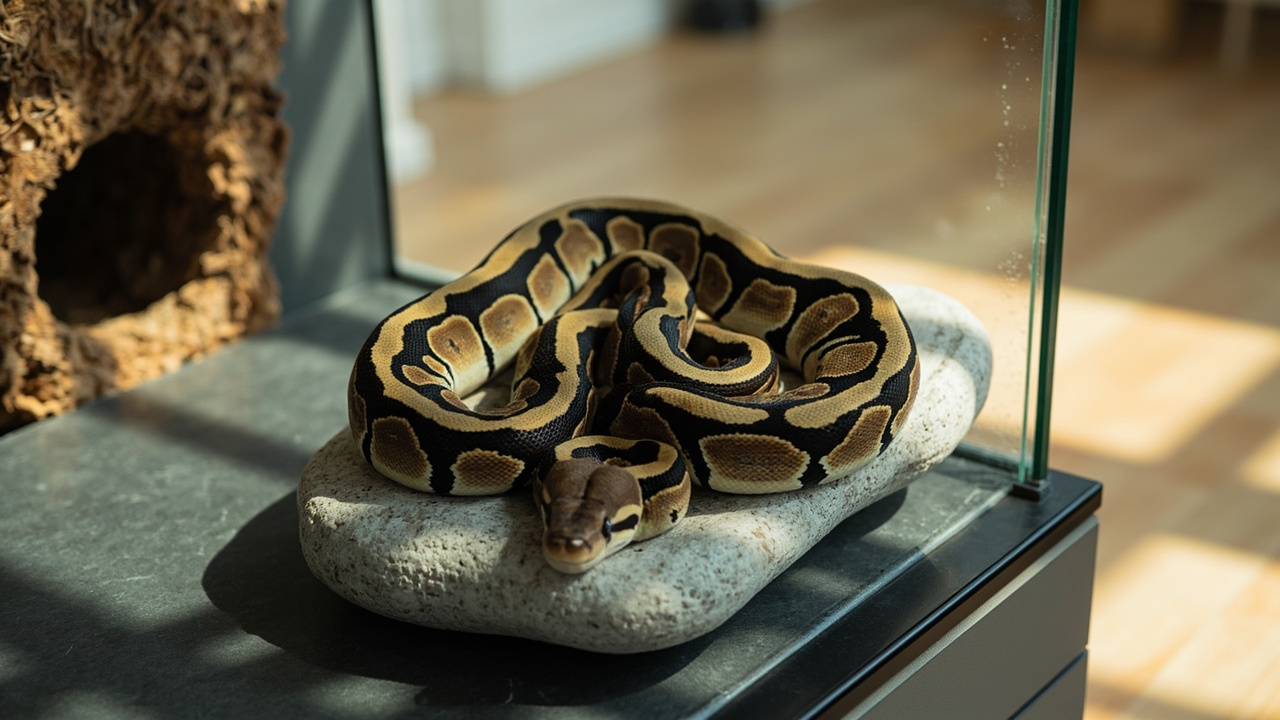
A ball python diet is whole rodents — frozen-thawed rats or mice. Size each prey item at roughly a tenth of the snake’s body weight, and feed every five to fourteen days depending on age. That single sizing rule answers most feeding questions before they start.
| Snake weight | What to feed | Prey weight | How often |
|---|---|---|---|
| 50-100 g (hatchling) | Hopper mouse or rat pinky | 5-10 g | Every five to seven days |
| 100-300 g (juvenile) | Rat pup, then a fuzzy or weaned rat | 10-30 g | Once a week |
| 300-500 g (subadult) | Small rat | 30-50 g | Weekly to every ten days |
| 500-1,200 g (adult) | Small to medium rat | 50-120 g | Every ten to fourteen days |
| 1,200 g and up (large female) | Medium rat | 120-180 g | Every ten to fourteen days |
- Frozen-thawed only. Live rodents bite back, and those wounds can kill a snake.
- Thaw in the fridge overnight, warm to 98-100°F. No microwave, no boiling water.
- No supplements. Whole prey is already complete nutrition — skip the calcium dust your gecko-keeping friends use.
For the full habitat side of care — heat gradient, hides, humidity — see the ball python care guide. This page handles food and nothing else.
What Ball Pythons Eat
Ball pythons are strict carnivores that eat whole prey: rats, mice, and occasionally African soft-furred rats or birds in the wild. Nothing else on the menu. They don’t eat insects, eggs from a carton, ground meat, or any plant matter — their digestive system is built around a rodent-shaped package of bone, muscle, and organs.
That package is why feeding is simpler than it looks. A whole rodent delivers calcium from bone, protein from muscle, fat, and trace nutrients from organs in one swallow. Compare it with a leopard gecko diet, where every cricket needs gut-loading and calcium dusting. A snake gets a complete meal straight from the bag. A bearded dragon diet is even more work: daily greens, portioned insects, supplement schedules. Ball python keepers trade variety for simplicity.
The trade-off is pickiness. Ball pythons evolved as ambush hunters of small mammal burrows in West Africa, and they bring strong food preferences along. Some accept rats their whole lives; some fixate on mice; some refuse a prey species they ate for years. Working with those preferences — not against them — is half of ball python diet management. Prey choice is the easy half; sizing is where the real decisions live in any ball python diet.
Prey Sizing: The Weight Rule
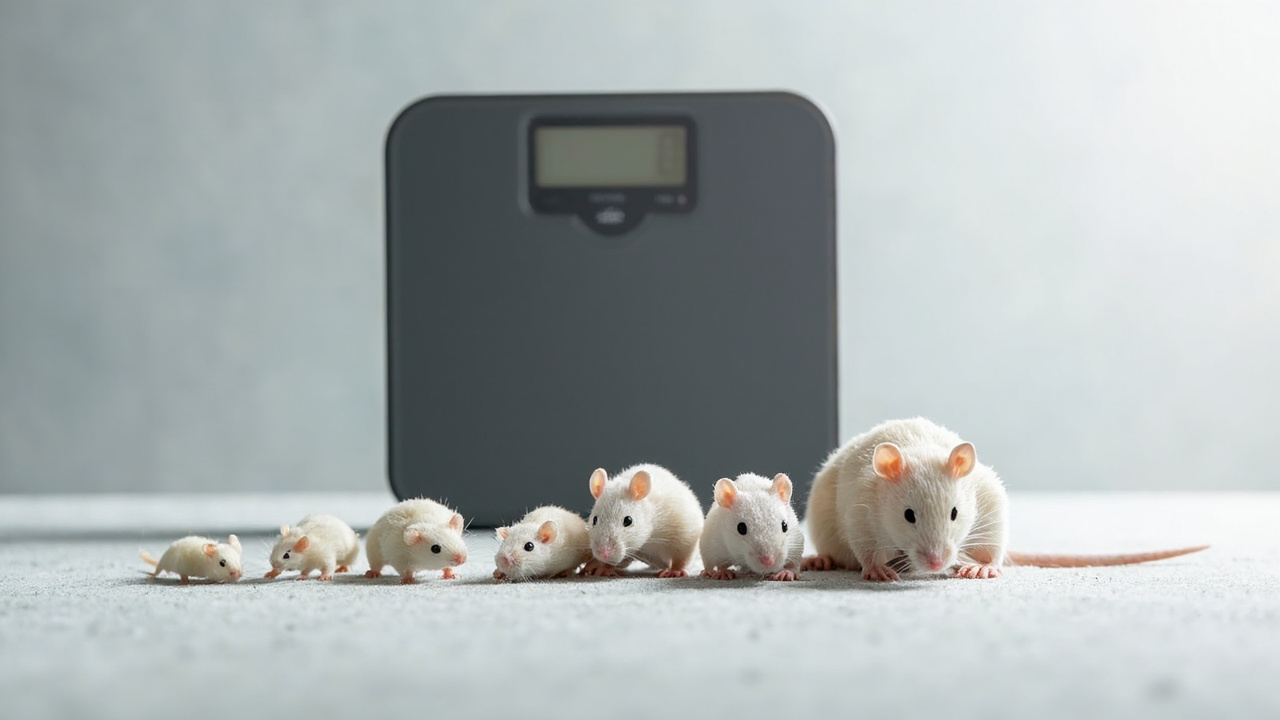
Size prey to your snake’s current weight, not its age or your ambitions. Feeders at 10-15% of body weight digest cleanly and keep growth steady. A 400 g ball python takes a 40-60 g feeder. The classic cross-check is width: the prey should be about as wide as the snake’s thickest body segment. A small visible bulge should linger for a day or two after eating.
Under-sizing is the better mistake. A prey item that’s too big causes regurgitation, and repeated regurgitation damages the esophagus and sets feeding back weeks. An under-sized meal just means you feed slightly more often. The weight rule is the part of a ball python diet most keepers skip, and it is the part that decides whether growth stays steady.
When to Move Up a Size
Weigh your snake monthly — the number tells you when to step up:
- No visible food bulge after two full days and the snake is hunting again: move up one prey size.
- Steady weight gain across two months on the current size: move up when you finish the current bag.
- Regurgitation or a refused meal: drop one size and re-check enclosure temperatures before blaming the food.
Buying in bulk keeps cost per feeder low. A ten-count box of frozen XL mice ($25.99) covers a hatchling for months. A case of fifteen medium rats ($159.97) carries an adult from subadult to full size. For the bigger monthly picture, the setup cost calculator breaks down feeding alongside heating and electricity.
Feeding Schedule by Age
The chart above already carries the schedule, so here is the reasoning behind it rather than a second copy. Adult males often refuse food from late fall through winter — breeding-season fasting is normal behavior, not an emergency. A female recovering from a laying cycle, or one being fed up for breeding, may take smaller, more frequent meals. Body condition beats the calendar: a ball python with a rounded spine and visible muscle tone is on schedule; ribs and hip bones showing means the plan needs work. Frequency is the half of a ball python diet that care sheets oversimplify most often.
Feed in the evening or early night. Ball pythons are crepuscular-to-nocturnal hunters, and a prey item presented at dusk matches the instincts they arrived with. More scheduling basics for the rest of the reptile room are in the reptile feeding guide.
Frozen-Thawed vs Live Prey
Frozen-thawed rodents are the standard for good reasons:
- Safety. Rodents are notorious for injuring captive snakes — bites to the face, eyes, and spine that can turn necrotic. Sometimes the injuries are fatal.
- Storage. A freezer chest of rodents is weeks of meals that can’t escape, bite, or starve into poor condition.
- Cost. Bulk frozen feeders run cheaper per meal than weekly pet-store runs.
- Ethics and law. Some regions restrict live vertebrate feeding entirely.
Frozen-thawed feeding is the default for a safe ball python diet, and the reasons are not close.
The One Case for Live Prey
The one honest case for live prey: a stubborn refusal animal that won’t take anything else. Then it’s supervised feeding, ten minutes maximum, never a rodent left overnight in the enclosure with a snake that isn’t interested. A live mouse alone with an unresponsive snake overnight is how facial scars and eye injuries happen. If you’re stuck at this point, work through the refusal checklist below before repeating live feeds.
How to Thaw and Warm a Frozen Rodent
- Fridge overnight. Move the feeder from the freezer to the refrigerator the night before feeding day. Slow thawing in a cold environment keeps bacteria counts down and muscle tissue intact.
- Bag it. At mealtime, put the rodent in a zip bag and squeeze the air out. This keeps water off the prey — a soaked rodent loses scent and heat fast.
- Warm water bath. Float the bag in warm (not boiling) water for fifteen to thirty minutes until the prey’s core reaches about 98-100°F — rodent body temperature. A temp gun aimed at the belly is the fastest check; no gun, hold it against your inner wrist like a baby bottle.
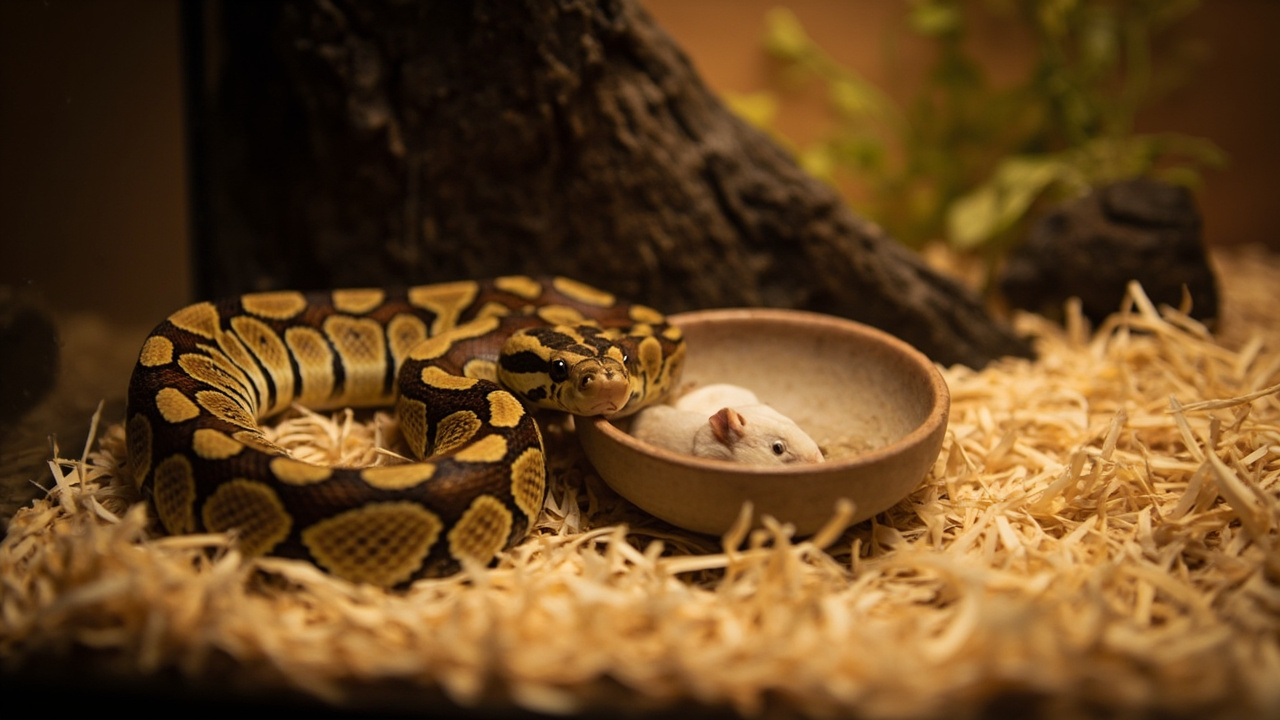
- Offer immediately. Scent and heat fade in minutes. Present with tongs, head-first, and let the snake do the rest.
Don’t microwave. Don’t use boiling water. Both cook the outside, leave cold spots inside, and can burst the rodent mid-constriction — a mess and a health risk in one. If the prey went from fridge-cold to offered anyway, that’s the most common reason a snake that “should” eat doesn’t. To a heat-pit hunter like a ball python, cold prey reads as dead prey. Thawing is unglamorous, but it decides whether a ball python diet actually goes in.
Feeding Technique: Tongs, Timing, and Location
Use long stainless snake feeding tongs ($7.99, fifteen inches) to present prey. The length keeps your hand outside strike range and out of the heat-pit “food shape” zone, which reduces mistaken bites during routine handling. Dangle the rodent by the shoulders or hips, wiggle it gently at the snake’s hide entrance, and resist the urge to chase the snake around the enclosure with it.
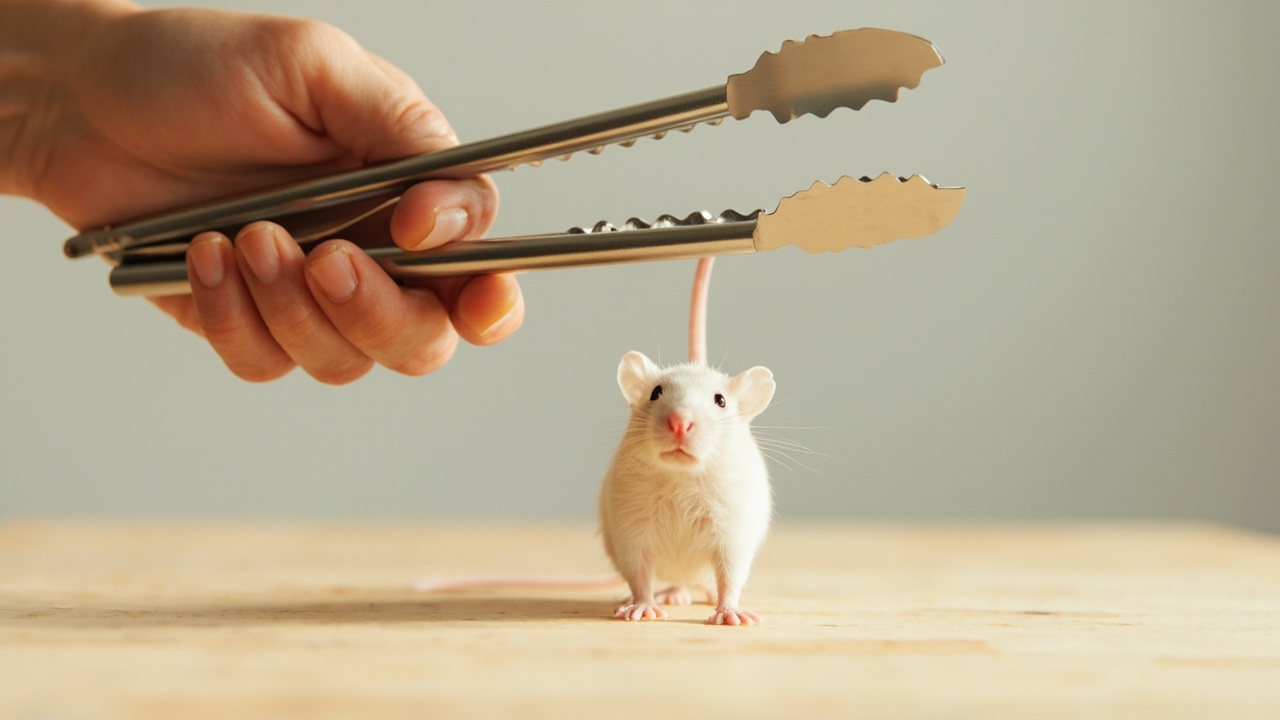
That gap is the whole point of the tool. Presentation is the last lever in a ball python diet, and it costs nothing to get right. An alert rodent on an open surface is the worst-case moment for a short grip. It thrashes, it drops, and the reflex bite lands on fingers that were only trying to be helpful. Measure the distance, not the convenience: if you can hold the tongs one-handed and your forearm still clears the animal’s reach, the length is right.
Feed inside the habitat. The old advice about a separate feeding tub has flipped. Modern keepers mostly feed in-place, because moving a snake right after a meal adds stress and regurgitation risk. There’s also no solid evidence that feeding in the enclosure makes snakes cage-aggressive. A dedicated tub still makes sense in two cases — a nervous hatchling learning to eat, or a household with loose dogs or cats that shouldn’t watch the show.
After the strike, leave the snake alone for a day or two. No handling, no enclosure cleaning beyond the water bowl, no opening the lid to check. Digestion needs a warm, undisturbed snake on an 88-92°F warm-side hotspot. If your gradient is off, fix it before the next meal — check the warm side and the UVB output together using the lighting and heat setup guide. Cold snakes can’t digest properly even when they eat.
Water and Hydration
Fresh water matters as much as food. Ball pythons drink more than keepers expect, and chronic dehydration shows up as stuck sheds and constipation long before a snake looks sick. Water is the cheapest part of a ball python diet to get right and the easiest to overlook.
- Provide a heavy bowl the snake could soak in — the Exo Terra X-Large water dish ($28.99) holds enough without tipping.
- Change the water every two to three days; sooner if soiled. Scrub the bowl with reptile-safe disinfectant when you do a full clean — the routine is in how to clean a reptile tank.
- Keep the bowl on the cool side so it doesn’t spike humidity at the warm end or grow bacteria faster.
Hunger Strikes: Why Ball Pythons Refuse Food
Food refusal is the signature ball python problem — the species is famous for it. Refusal is the most common complaint about a ball python diet, and it is usually husbandry rather than hunger. Most strikes trace back to a short list of causes, in rough order of likelihood:
- Husbandry. Wrong temperatures or humidity is the first suspect. Check the warm-side hotspot and ambient humidity (50-60%, higher during shed) before anything else.
- Shed cycle. Going blue kills appetite. Wait until the shed completes plus three to four days, then offer again.
- Handling stress. A snake handled daily or moved recently — including one that just arrived — often needs one to two quiet weeks. The first week with a new snake routine prevents most new-arrival refusals.
- Prey mismatch. Wrong size, wrong species, cold prey, or thawed-and-refrozen prey. Try one variable at a time: smaller rat, a mouse instead of a rat, braining (a small slit to release scent), or feeding at night with lights fully off.
- Season. Adult males fast through breeding season — late fall into winter — while staying alert and muscular. This is normal.
- Illness. Mouth rot, respiratory infection, or internal parasites. Weight loss plus wheezing, bubbling, or mouth discoloration means a reptile vet, not another feeder order. VCA’s reptile library lists the same signs a keeper can check at home.
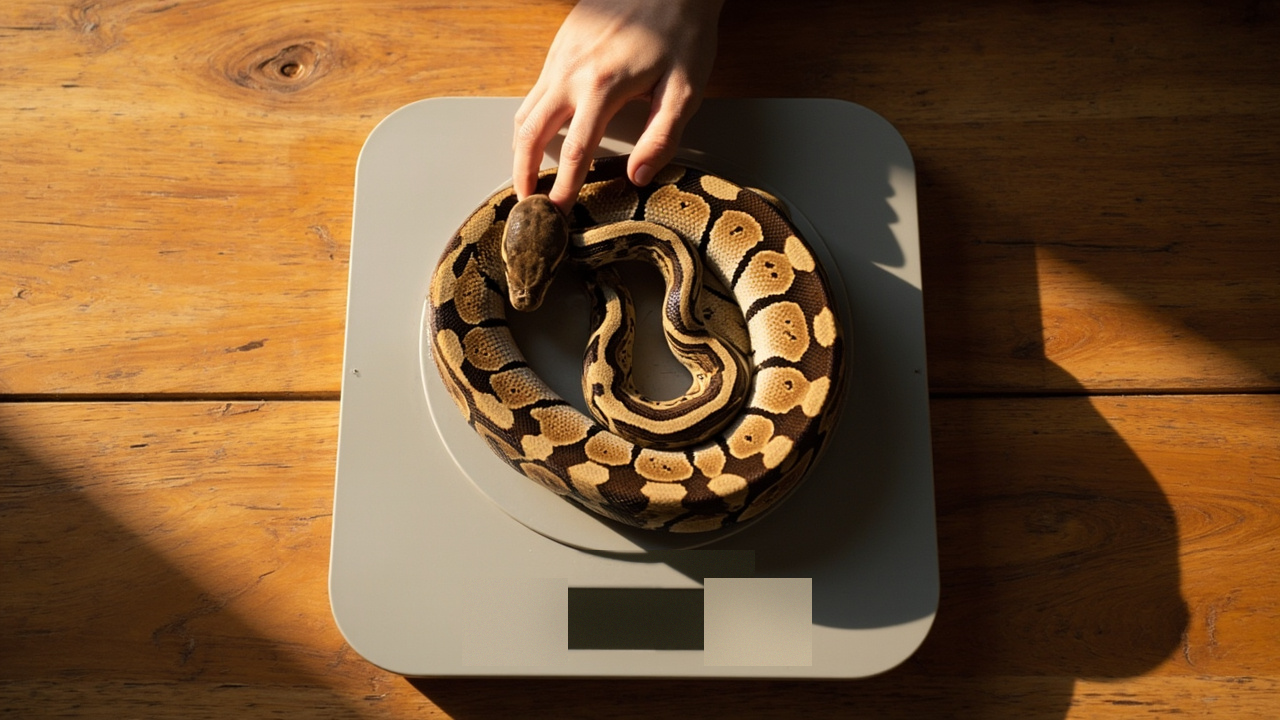
Track Weight, Not Days
Track every strike with a 0.1 g-precision kitchen scale ($18.99, bowl included) and a written log — dates offered, prey offered, weight each month. The numbers turn a scary open-ended refusal into a data problem. A healthy adult losing less than 10% of body weight while acting normal can fast for weeks under observation. Past that line, or with illness signs stacking up, book the vet. Don’t let a strike become a rescue mission.
Common Feeding Mistakes
- Prey too large. The most common trigger for regurgitation. If you’re guessing between two sizes, guess small.
- Feeding during shed. A snake in blue will usually refuse anyway; skip the week.
- Handling right after feeding. A day or two of hands-off, every time.
- Thawing in hot water or a microwave. Cold spots and burst prey — both wreck the meal.
- Chasing with live prey. Unsupervised rodents injure snakes; live feeding is a supervised last resort.
- Dusting rodents with supplements. Whole prey doesn’t need it — that habit belongs to insect-feeding species.
- Panic-ordering new prey every refusal. Change one variable per feeding attempt so you learn what actually worked.
- Skipping the scale. Weight is the only honest strike dashboard; eyeball condition lies until it’s too late.
Sources
- ReptiFiles — Ball Python Care: Feeding & Diet — type: authority; access-year: 2026
- Merck Veterinary Manual — Overview of Reptiles — type: authority; access-year: 2026
- Association of Reptilian and Amphibian Veterinarians (ARAV) — type: authority; access-year: 2026
- VCA — Reptile Medicine — type: authority; access-year: 2026