The Real Cost of a Pet Reptile
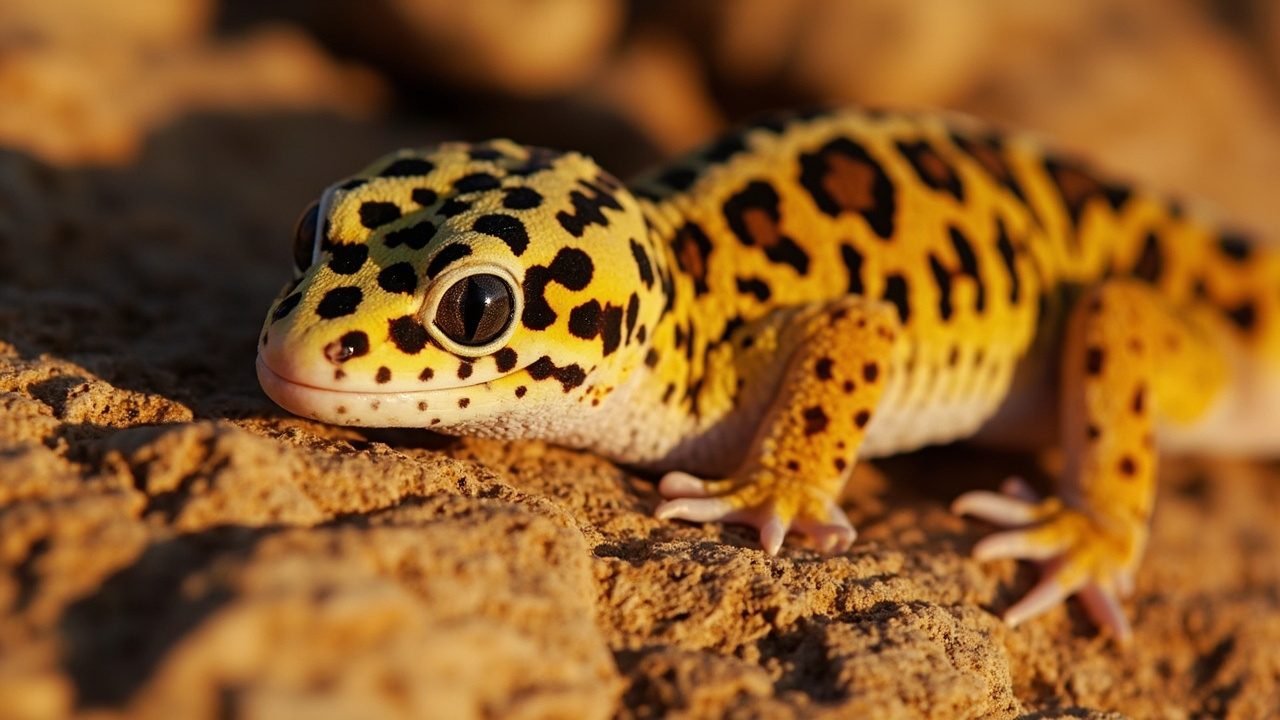
The single biggest mistake new reptile owners make is underestimating the setup cost. A pet store will sell you a leopard gecko for $40 and tell you the setup is “about $150” — then you go home with a 10-gallon tank, a heat rock, and an animal that will slowly develop metabolic bone disease in an enclosure half the size it needs.
The setup cost calculator above gives you honest, three-tier budgets based on current welfare standards — not pet-store marketing.
Quick Answer
Plan $300-$700 for a beginner reptile setup total (enclosure + heating + UVB + decor). Budget breakdown: enclosure 40-50%, heating 20-25%, UVB 10-15%, decor/substrate/food/vet 15-25%. Hidden year-2+ costs (electricity, bulb replacement, vet visits) run $150-400/year. Use the calculator below to itemize by species, including the popular gecko vs bearded dragon setup cost comparison.
Why Three Tiers?
Reptile setups are not one-size-fits-all. We show three tiers because the right choice depends on your budget, your experience, and your long-term commitment:
- Starter — The cheapest setup that keeps the animal alive and healthy short-term. Almost always requires an enclosure upgrade as the animal grows. Choose this only if budget is genuinely constrained and you commit to upgrading within the year.
- Recommended — What we suggest for new owners. Meets modern welfare minimums (correct enclosure size, proper UVB, regulated heating) without premium extras. This tier matches what ReptiFiles and the FBH Code of Practice actually require.
- Premium — The lifelong ideal. Bioactive substrate, dimming thermostat, top-tier UVB, premium PVC enclosure. Worth it if you keep the species long-term and want the best welfare and lowest maintenance.
What Drives the Cost
Three categories dominate every reptile budget:
1. The enclosure (40–50% of total cost)
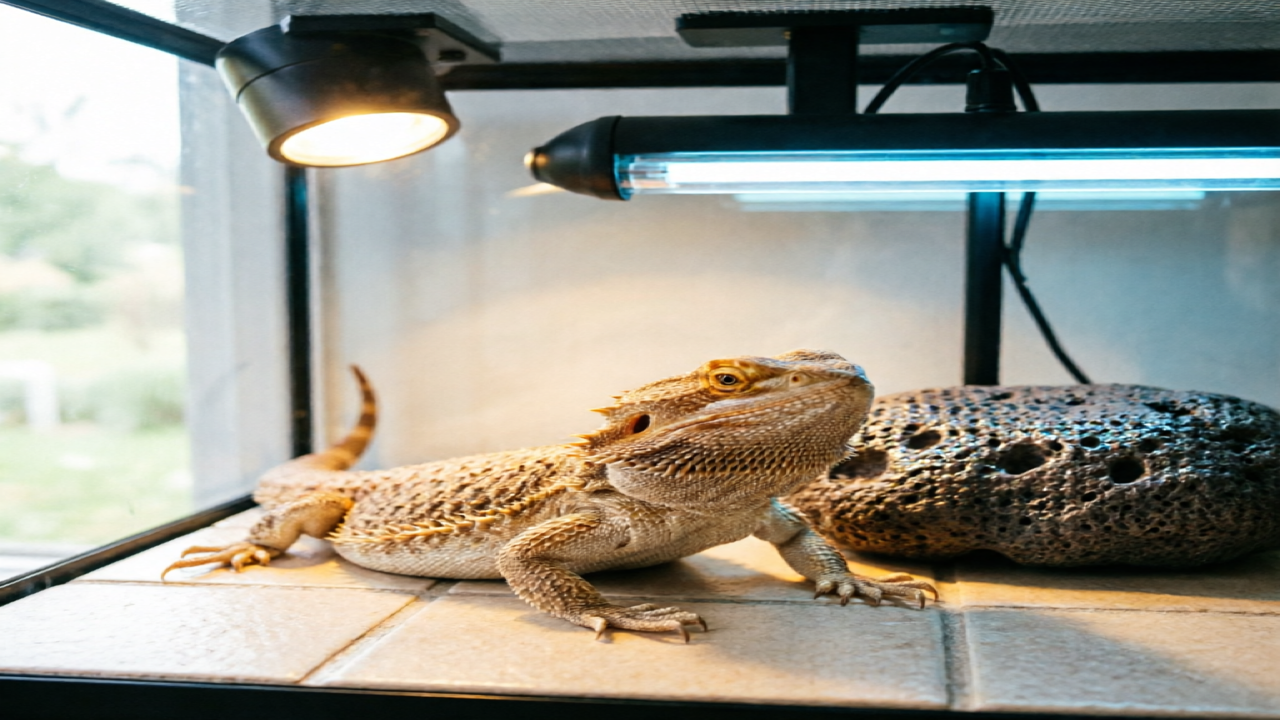
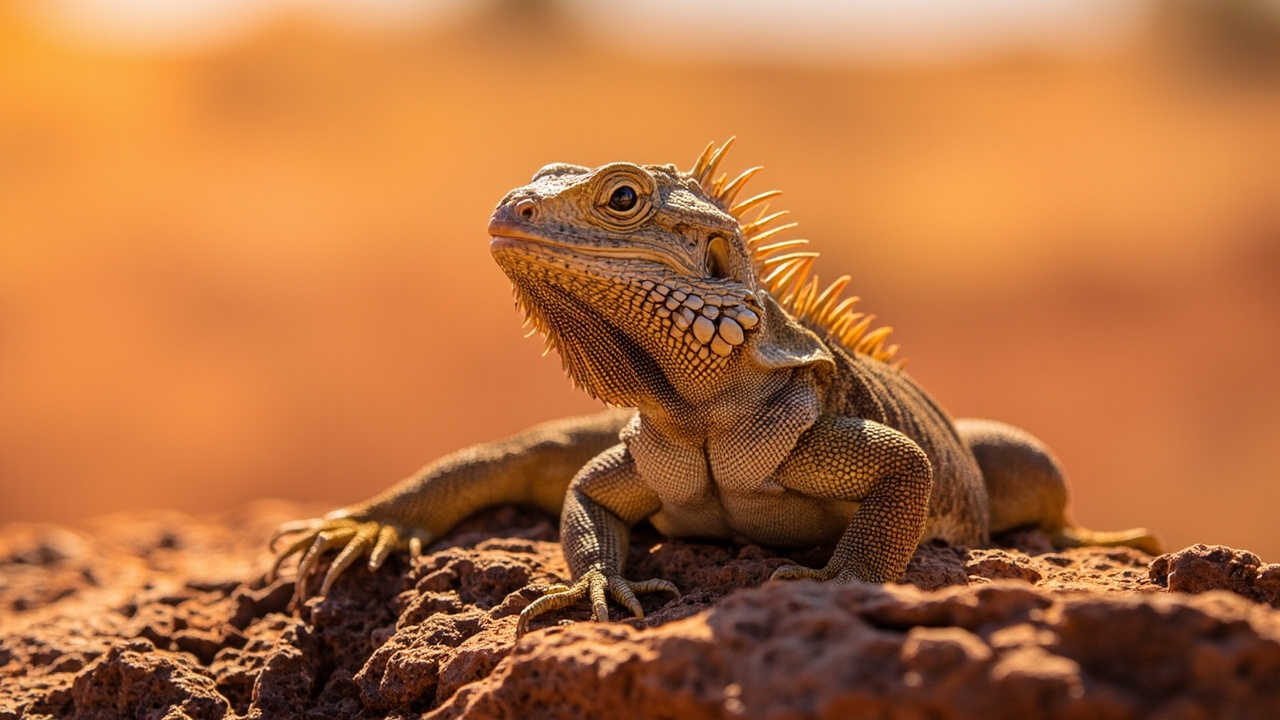
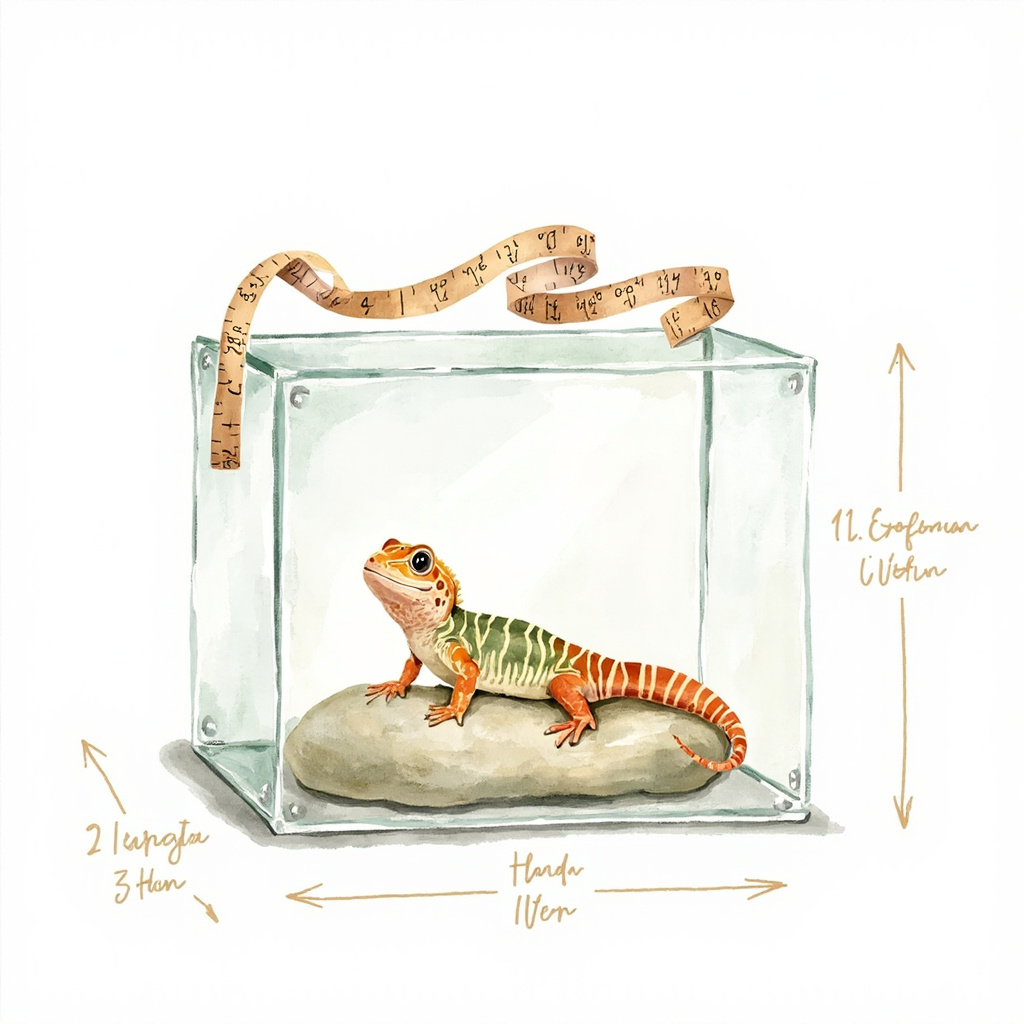
The terrarium is the single most expensive item — and the one most often undersized. A bearded dragon needs a 4×2×2 ft enclosure (≈$300+); a leopard gecko needs 36×18×18 (≈$150). See our tank size calculator to find the right dimensions for your species. PVC enclosures cost more up front than glass but hold heat and humidity far better, lowering ongoing costs.
2. Heating and control (20–25% of total cost)
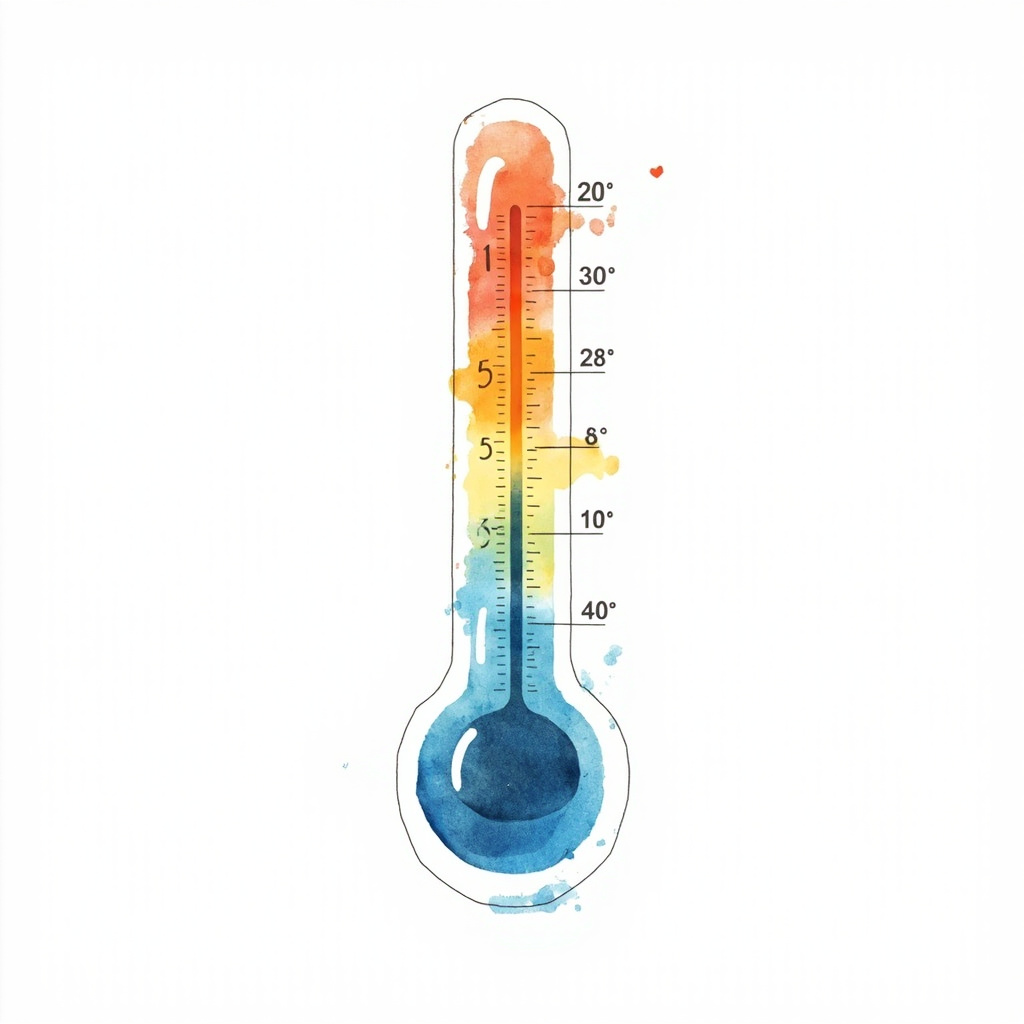
A proper heating system needs a heat source, a thermostat (mandatory, not optional), and often a secondary bulb. Skipping the thermostat to save $30 is how animals get burned. Read our heating and lighting setup guide for the full system.
3. UVB lighting (10–15% of total cost)
For species that need UVB (bearded dragons = Zone 4, blue-tongue skinks = Zone 3), a proper T5 fixture costs $80–160. Use the UVB distance calculator to position it correctly.
Hidden Costs After Setup
The calculator covers the initial setup only. Ongoing costs every keeper should budget for:
- Food — $10–30/month for insectivores; more for omnivores needing fresh greens.
- UVB bulb replacement — every 12 months, ~$60–120/year. UVB output drops long before visible light fails.
- Substrate replacement — $15–40 per change, every 1–3 months for non-bioactive.
- Vet fund — $100–300/year for checkups; an emergency fund of $300–500 minimum. Respiratory infections and impaction can cost $200+ per visit.
Money-Saving Tips That Don’t Harm Welfare
Some corners are safe to cut; others are not.
Safe to save on:
- Buy a used enclosure from local reptile groups (50–70% off retail). PVC enclosures last decades.
- Use slate or ceramic tile from a hardware store as substrate (~$10) instead of branded reptile carpet.
- DIY hides from properly cleaned cork bark or food-safe plastic containers.
Never cut these:
- The thermostat. An unregulated heat source is a fire and burn risk.
- The enclosure size. Undersized enclosures cause lifelong health and behavior problems.
- UVB for species that need it. MBD is fatal, slow, and entirely preventable.
Choosing Your Species by Budget
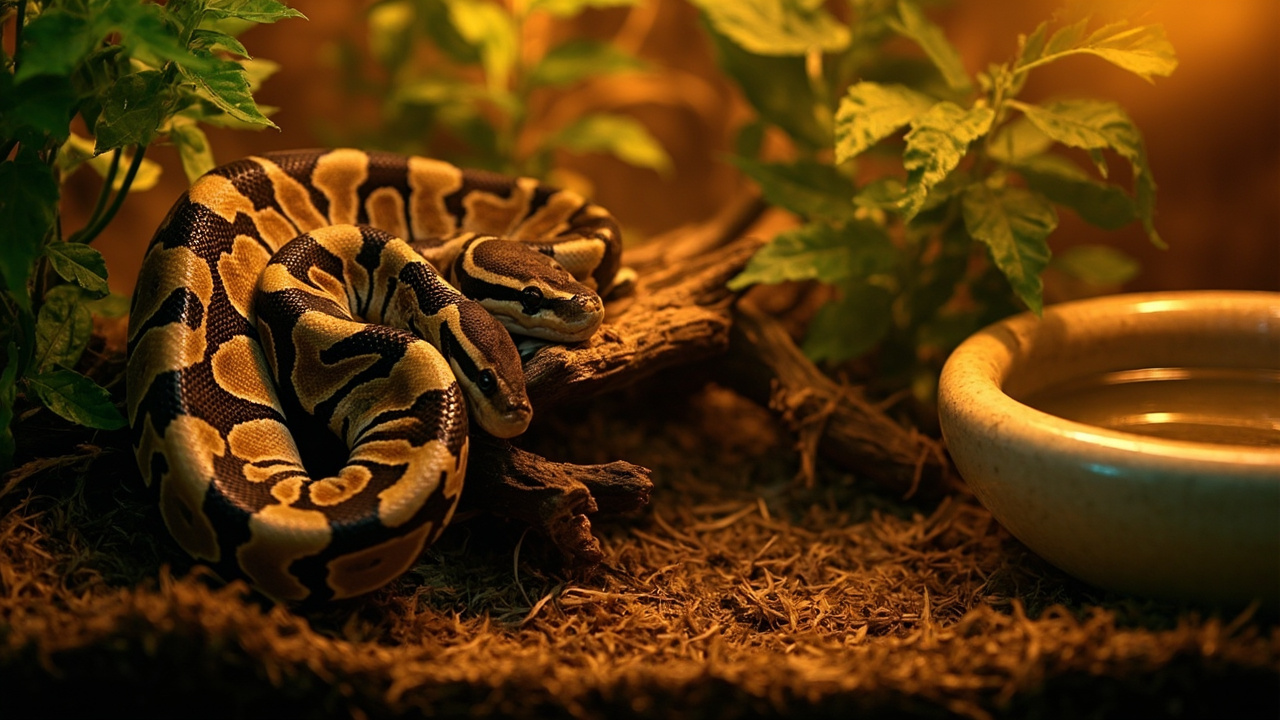
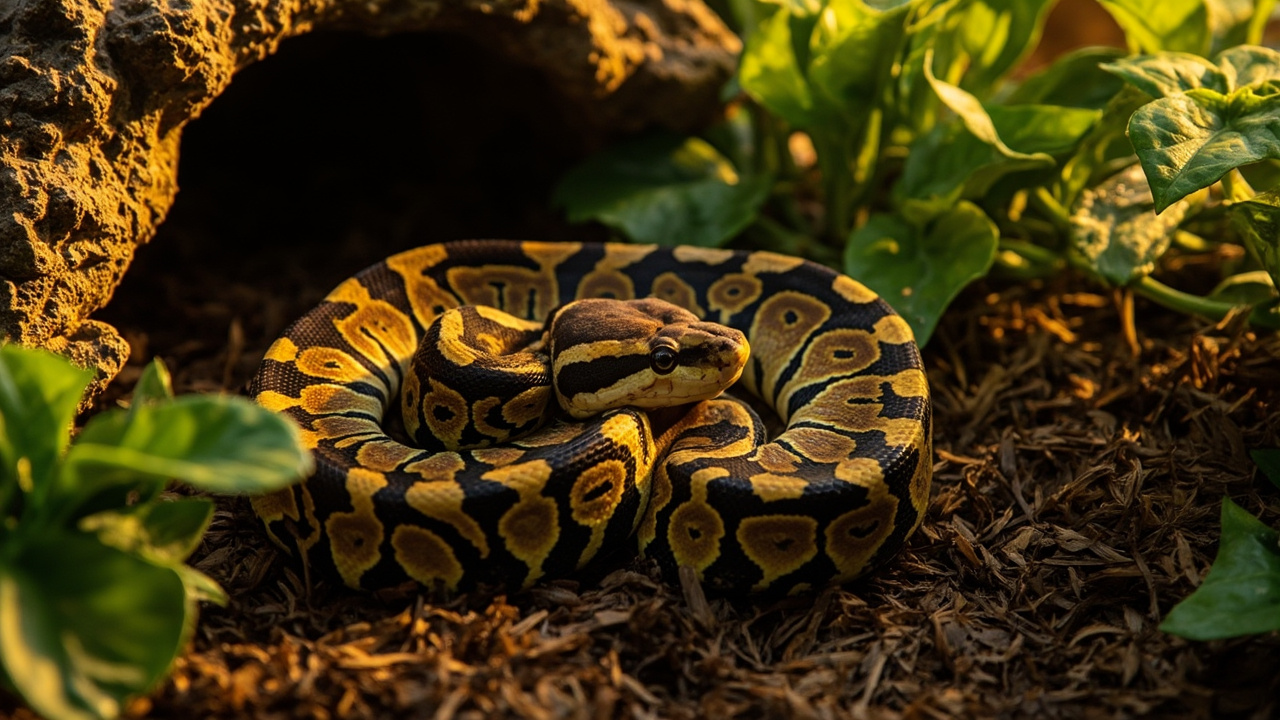
If budget is a primary constraint, species choice matters as much as tier. Leopard geckos have the lowest entry cost (smaller adult enclosure, lower UVB demand). Bearded dragons cost roughly 50% more to set up properly (large enclosure, high UVB, basking power). Ball pythons fall in between but have the lowest ongoing food cost (frozen rodents, infrequent feeding).
Run the calculator above for your species, then add a 15% buffer — every setup ends up with extra thermometers, a second hide, or an emergency vet visit in the first year.