For informational purposes only. Not a substitute for veterinary advice. Consult your veterinarian for specific medical decisions.
A bearded dragon respiratory infection may affect the nose, windpipe, lungs, or air sacs. Because a bearded dragon respiratory infection can have several causes, keepers should not try to identify it from one sign alone. Keepers often call any noisy breathing a “URI,” but the same sign could come from overheating, airway irritation, heart disease, trauma, or another illness. It is not possible to confirm the cause from appearance alone. Watch the pattern, document changes, and contact a reptile veterinarian when abnormal breathing persists or appears with mucus, weakness, or appetite loss.
Possible Signs
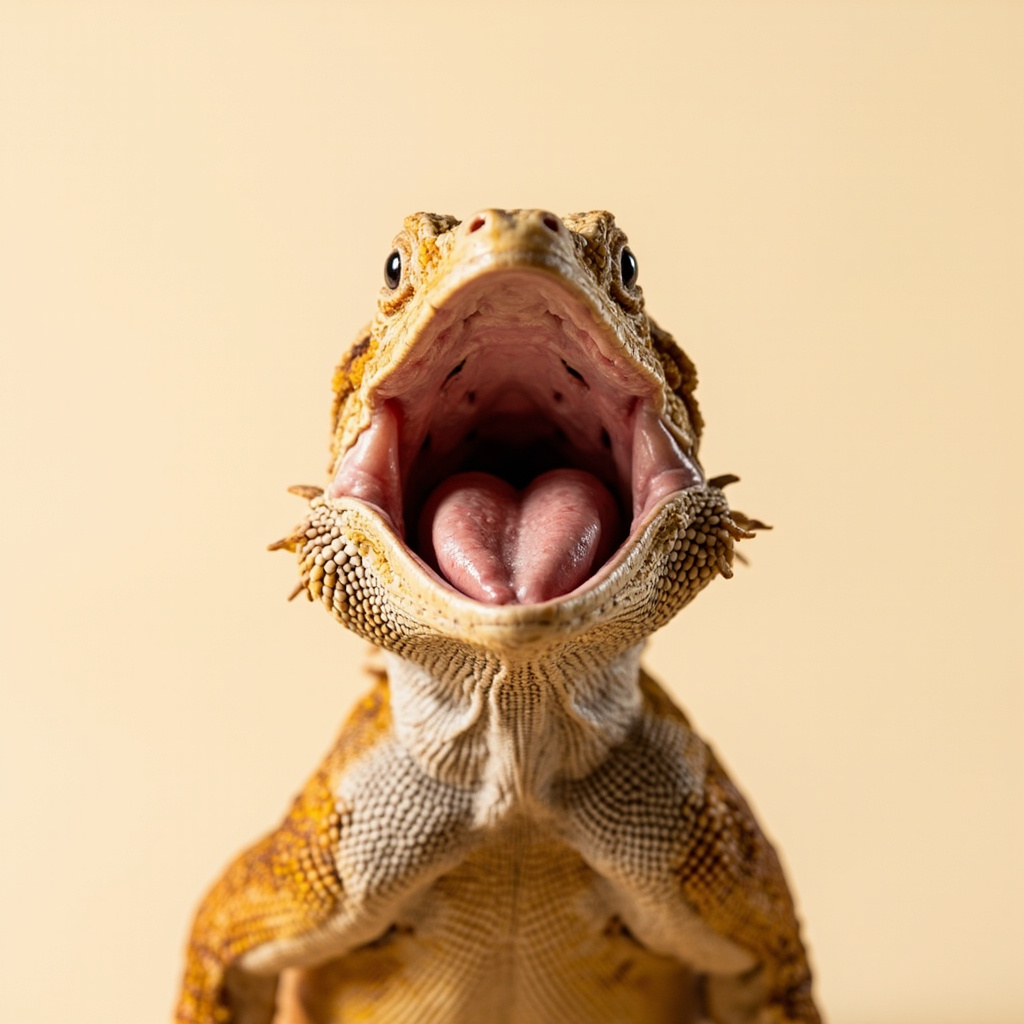
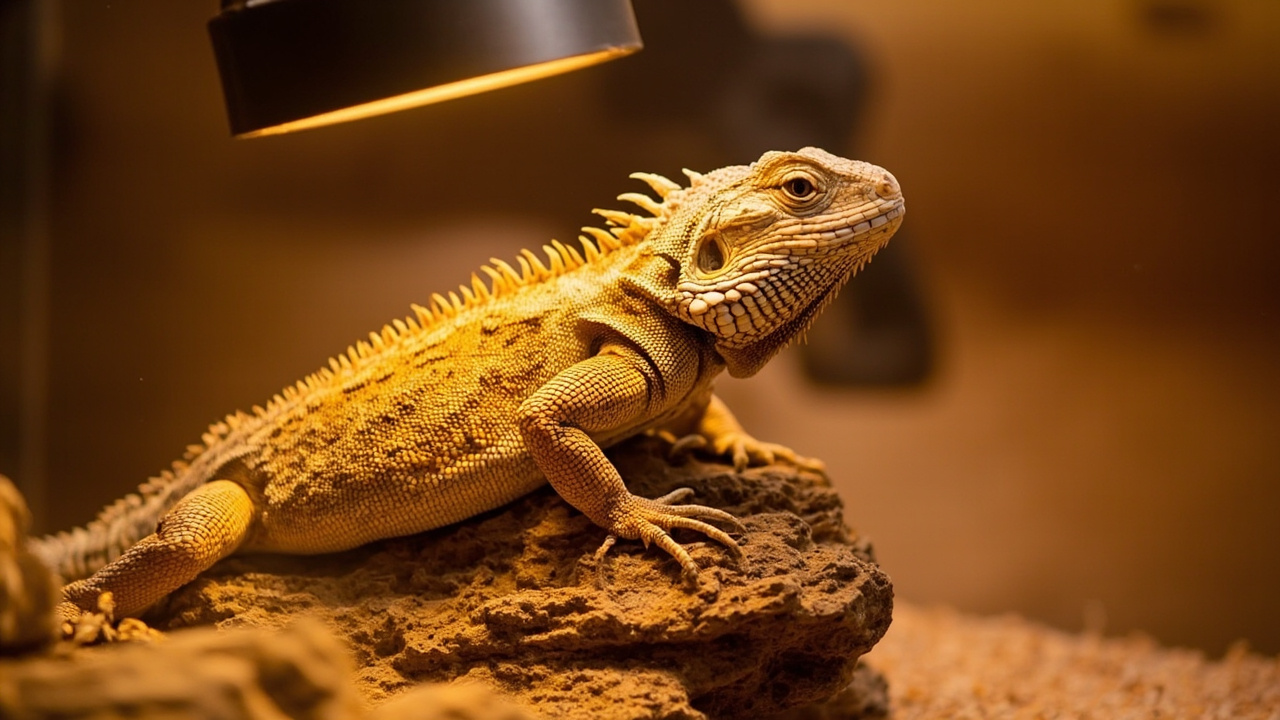
A healthy dragon may sit with its mouth open while basking. This is normal gaping when it stops after the animal moves away from heat. Breathing trouble is more concerning when it happens on the cool side, during rest, or together with other changes.
Possible signs include:
- Wheezing, clicking, crackling, or repeated coughing motions
- Mucus, bubbles, or crust around the nostrils or mouth
- Repeated open-mouth breathing away from the basking area
- Stretching the neck upward to breathe
- Reduced appetite, lower activity, or unusual hiding
- Rapid chest movement or visible effort with each breath
- Darkened beard, weight loss, or poor body condition
These signs are not specific enough to diagnose infection at home. Reduced appetite can also occur around a normal shed, as the bearded dragon shedding guide explains. A dragon that is severely weak, collapsed, turning blue or gray around the mouth, or struggling for each breath needs urgent veterinary attention. Do not wait for several signs to appear if breathing effort is already marked.
Causes and Risk Factors
Because a bearded dragon respiratory infection may involve bacteria, fungi, parasites, or viruses, a reptile veterinarian should determine which evaluation and treatment are appropriate rather than relying on leftover medication. Husbandry problems do not prove that infection is present, but they may weaken normal defenses or make recovery harder.
Incorrect Temperature Gradient

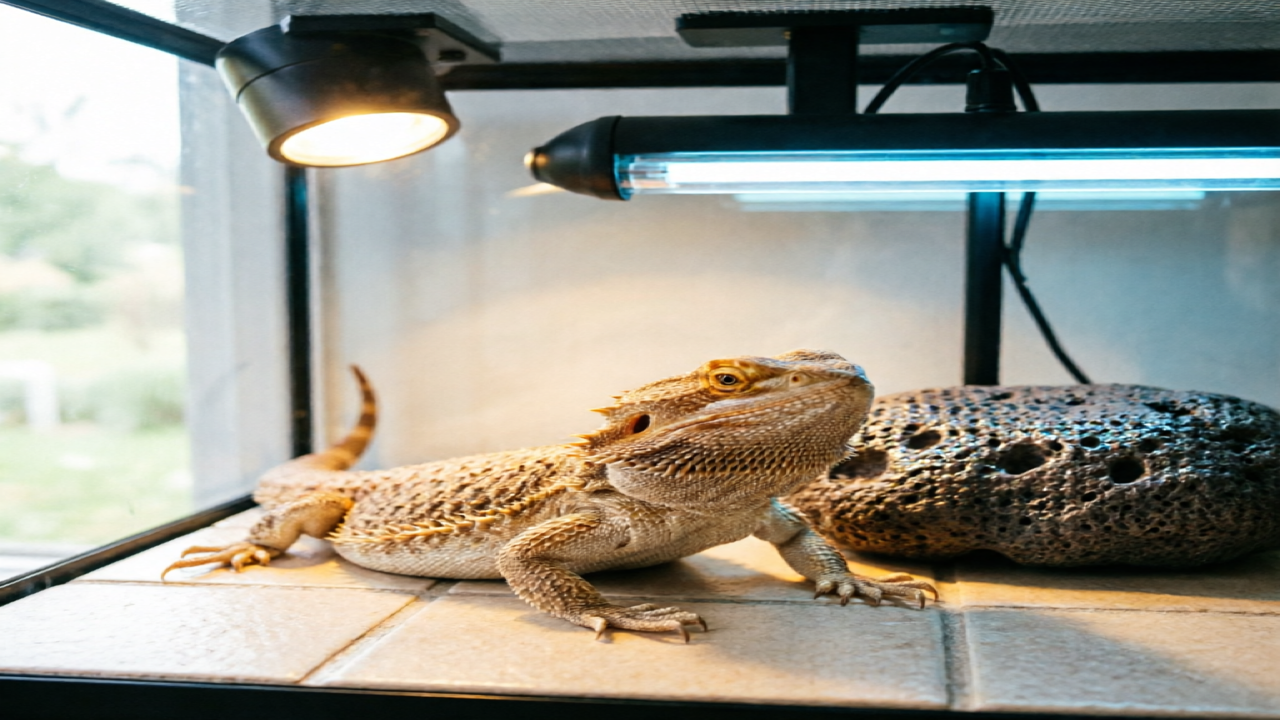
Bearded dragons rely on outside heat to regulate digestion, activity, and immune function. If the basking area is too cool, the dragon cannot maintain its preferred body temperature. If the entire enclosure is too hot, prolonged gaping and stress may resemble illness. Review the ranges in the bearded dragon temperature guide and compare readings from both the basking surface and cool side.
A thermostatically controlled heat source, such as a LUCKY HERP ceramic heat emitter, may help stabilize supplemental heat without visible light, but it does not treat an infection. Bearded dragons still need a bright daytime basking source; use any ceramic emitter only with appropriate temperature monitoring and follow the manufacturer’s placement guidance. The reptile thermostat guide explains how control equipment fits into a safer heating setup.
Poor Ventilation or Persistent Dampness
A bearded dragon enclosure should be dry enough for this arid species while still providing fresh water. Persistent damp substrate, condensation, waste buildup, and stagnant air can irritate airways and support microbial growth. Humidity that is too low can also dry secretions and complicate shedding, so the goal is not “as dry as possible.” Review the species ranges in the bearded dragon care guide and measure conditions rather than guessing.
A properly sized front-opening 120-gallon enclosure like the Terroute 4x2x2 can make a stable gradient easier to maintain for an adult. It won’t replace daily cleaning, ventilation, or veterinary care.
Stress and Other Illness
Crowding, frequent handling during illness, transport stress, poor nutrition, and another disease may reduce resilience. Dragons with metabolic problems can also appear weak or reluctant to move, so read the metabolic bone disease guide if tremors, swelling, or jaw changes are present. They’re separate problems, but outward signs can overlap.
Supportive Care at Home
Supportive care means keeping conditions steady while arranging professional assessment. It doesn’t mean choosing antibiotics or trying to clear the airway yourself.
- Verify temperatures. Measure the basking surface and cool-side air with reliable equipment. Don’t raise the whole enclosure above the normal range in an attempt to “cook out” infection.
- Reduce stress. Keep handling brief, house the dragon alone, and provide familiar hides. You shouldn’t force exercise or bathing when breathing is labored.
- Keep the habitat clean and dry. Replace soiled substrate with paper towels, clean water and food dishes, and remove waste promptly. Avoid aerosol cleaners, fragrances, and aromatic oils.
- Record symptoms. Note when breathing sounds occur, appetite, stool, weight, temperatures, and any mucus. A short video may help the veterinarian if the sign isn’t happening during the appointment.
- Offer normal hydration access. Provide fresh water and moisture-rich foods only if the dragon can eat and swallow normally. Don’t syringe water into the mouth of a weak or struggling animal because aspiration is possible.
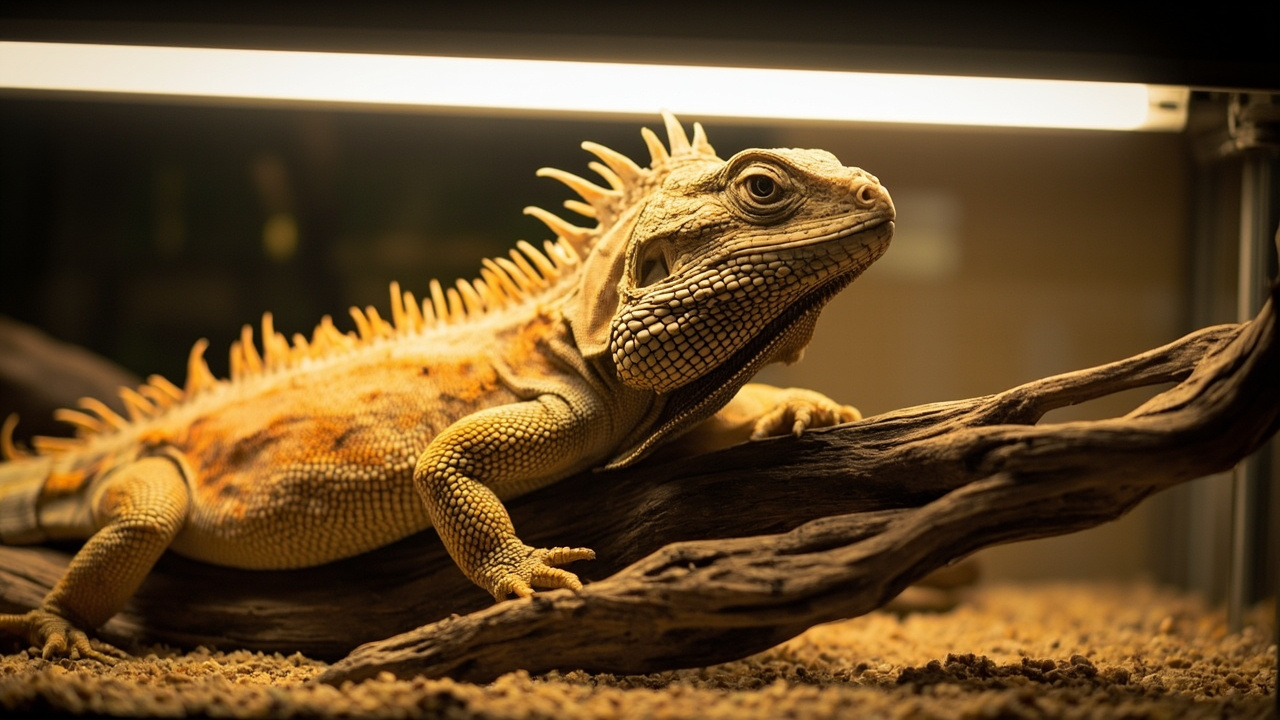
Keep the normal light cycle. A Zoo Med Reptisun 10.0 T5 HO UVB tube can support routine husbandry when correctly positioned, while the bearded dragon UVB guide covers distance and replacement timing. UVB isn’t a respiratory treatment.
When to See a Vet
Contact a reptile veterinarian promptly because a bearded dragon respiratory infection can have different causes, especially when mucus, repeated wheezing, persistent abnormal breathing, appetite loss with lethargy, or symptoms continue after husbandry readings are corrected. Emergency care is warranted for collapse, severe breathing effort, choking motions, blue or gray oral tissue, or rapid deterioration.
Don’t give leftover antibiotics, human cold medicine, decongestants, oils, or nebulized products unless a veterinarian directs the exact drug and dose. Reptile infections can involve different organisms, and treatment that doesn’t match the cause may delay care. A vet may recommend imaging, culture, fluid support, or other tests depending on the examination.
Prevention
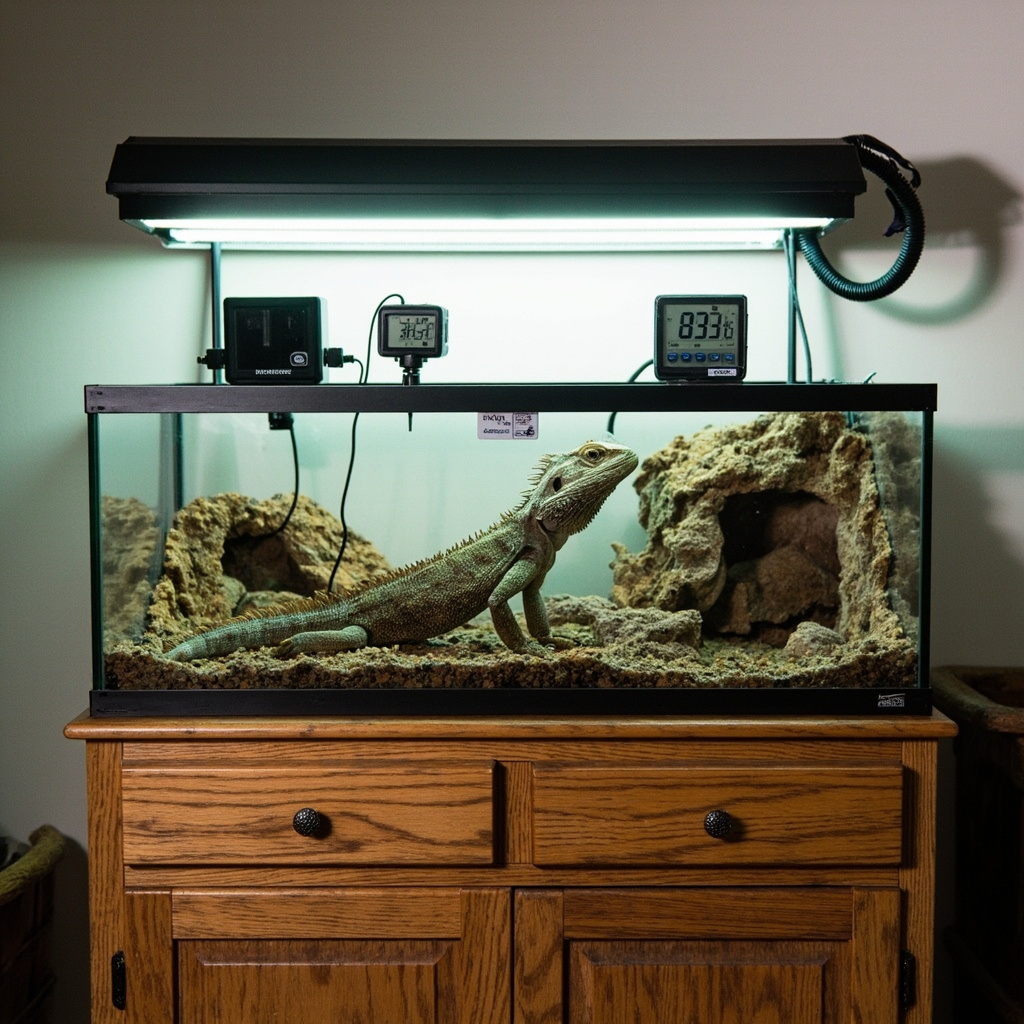
Prevention starts with consistent husbandry to lower avoidable risk from a bearded dragon respiratory infection rather than relying on a single product. Follow the bearded dragon tank-size guide so the enclosure can hold distinct warm and cool zones. Clean waste daily, avoid chronically wet substrate, quarantine new reptiles, and wash hands and tools between enclosures.
Feed an age-appropriate diet described in the bearded dragon diet guide. When the dragon is eating normally, Midwest 100 Large Dubia Roaches can be one feeder option, and Repti Calcium with D3 can fit a species-appropriate supplement schedule. They aren’t treatments for breathing problems, and you shouldn’t force-feed a sick dragon.
Check weight, appetite, stool, breathing, and activity each week. When you’re familiar with the animal’s normal rhythm, small changes are easier to notice before they become emergencies.
Veterinary References
- Merck Veterinary Manual: Bacterial Diseases of Reptiles — type: authority; access-year: 2026
- VCA Animal Hospitals: Bearded Dragons — Diseases — type: authority; access-year: 2026