For informational purposes only. Not a substitute for veterinary advice. Consult your veterinarian for specific medical decisions.
Leopard gecko impaction means that material is not moving through the digestive tract normally. Keepers often use the word for constipation or a suspected blockage, but the signs overlap with dehydration, parasites, an incorrect temperature gradient, and other illnesses. A gecko that misses one stool is not automatically impacted. Repeated straining, a swollen abdomen, weakness, or a sudden appetite change deserves more attention. When several of these signs appear together, a vet-confirmed leopard gecko impaction diagnosis is the safest starting point for treatment, because the same outward signs can come from very different causes.
Possible Signs of Impaction
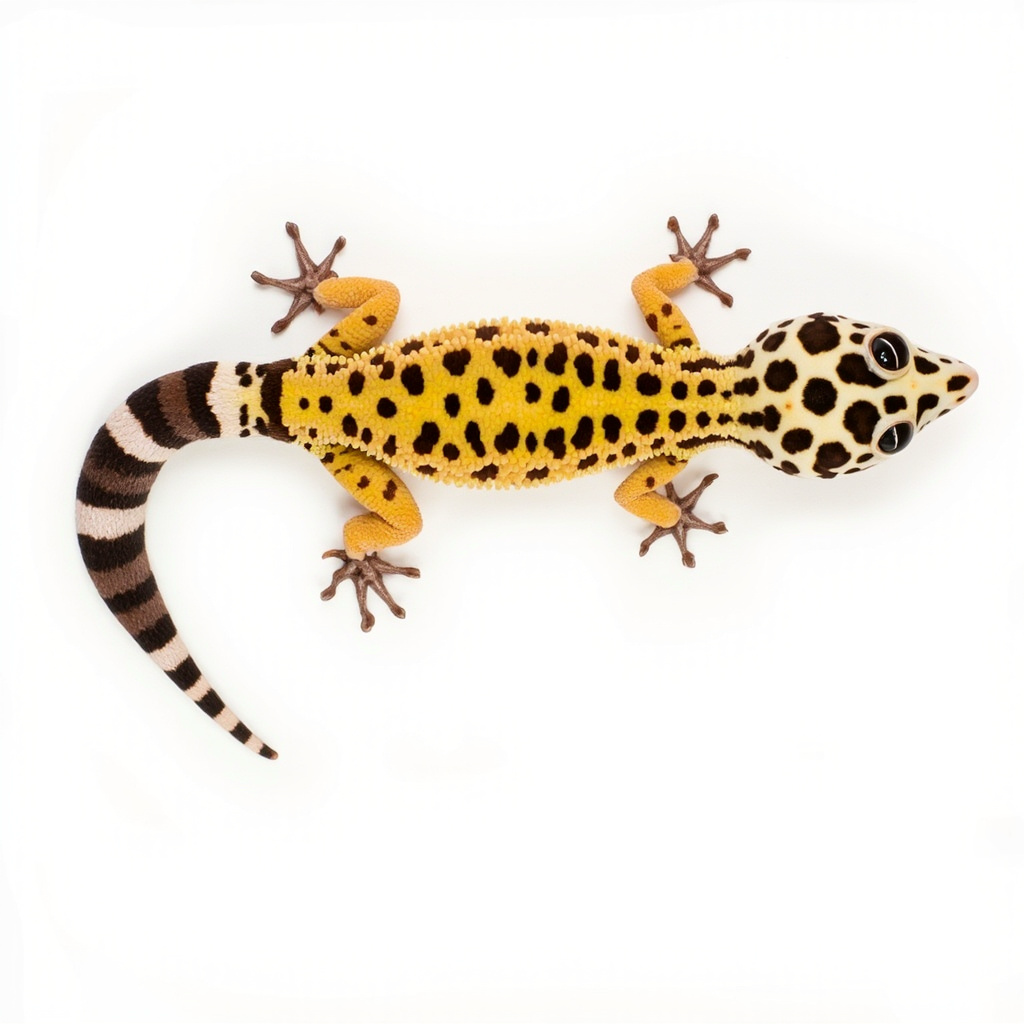
Watch the whole pattern instead of relying on one symptom. A leopard gecko impaction case usually shows several of the signs below at the same time:
- Strain repeatedly without producing stool
- Stop eating or show less interest in prey
- Pass unusually small, dry, or mucus-covered stool
- Develop a firm or swollen lower abdomen
- Become less active, hide more, or lose strength
- Regurgitate food, tremble, or have trouble walking in a severe case
These signs aren’t specific to impaction. Parasites, reproductive problems, infection, and other digestive disorders can look similar. If your gecko is weak, repeatedly vomiting, collapsed, or visibly distended, don’t wait for a home remedy to work; contact a reptile-experienced veterinarian promptly.
Track these signs over 24-72 hours rather than judging a single moment. A gecko that misses one stool after a slightly cooler night may simply have slower digestion; the same gecko that misses stool for several days, hides constantly, and stops showing interest in prey is in a different category. Note the date of the last meal, the date of the last normal stool, the size of recent prey, and any change in body weight or tail thickness, because the pattern matters more than any one observation.
Common Causes and Risk Factors
Causes of leopard gecko impaction tend to overlap, which is why a husbandry review matters as much as any single change. The categories below cover the most common triggers; a reptile veterinarian can confirm which factor, or which combination, is actually responsible in your gecko.
Ingested Substrate
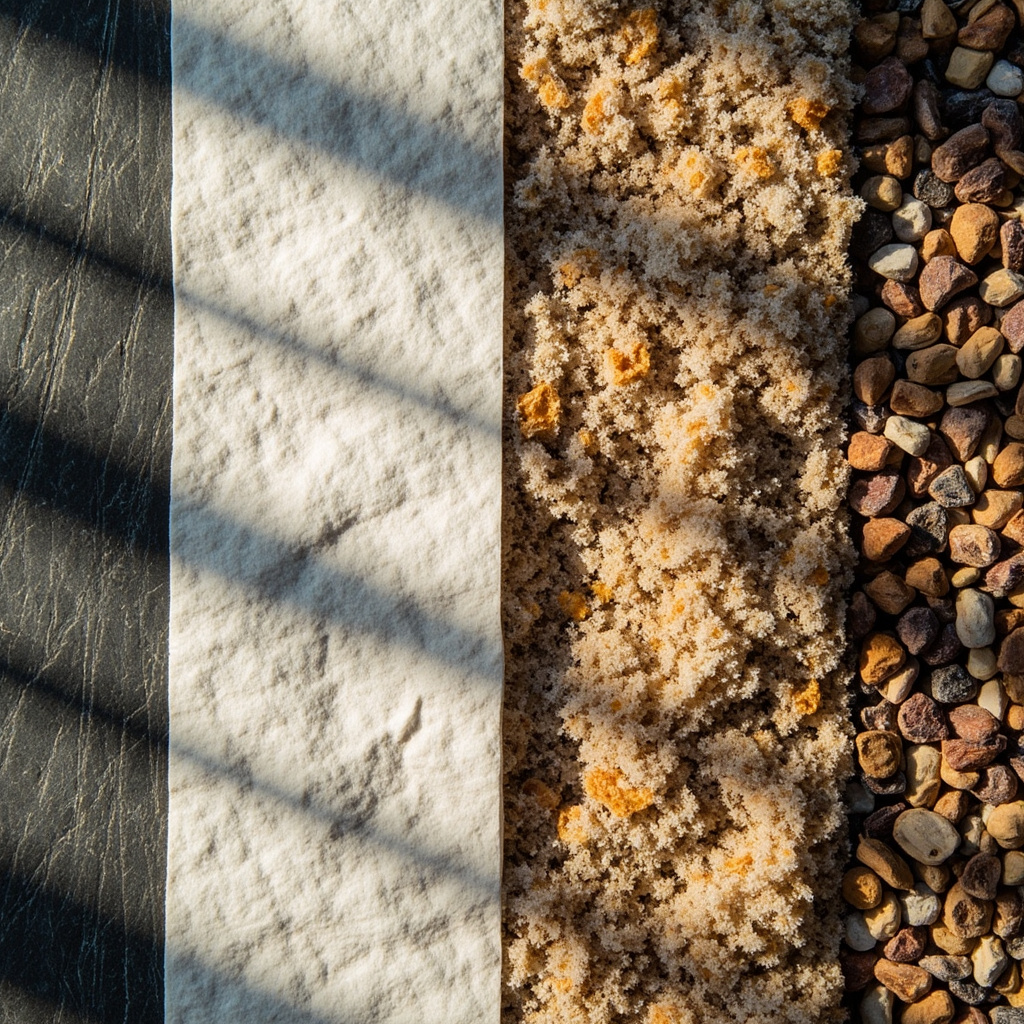
Loose sand, crushed walnut, wood particles, and other small materials can be swallowed while a gecko catches prey. That doesn’t prove the substrate caused a blockage, but repeated ingestion raises the risk. A temporary paper-towel setup can make stool, hydration, and feeding easier to monitor while you arrange veterinary advice. Feeding on a smooth tile or in a separate dish reduces how much loose material ends up in the mouth with prey, and some keepers prefer tong-feeding to control placement and limit accidental substrate ingestion, especially with juvenile geckos that strike quickly. A simple long-handled feeding tong such as OLIISS reptile tongs is enough for most adult leopard geckos and keeps fingers clear of an unexpected strike.
A safe reptile substrate guide explains why enclosure material should match the animal’s age, feeding method, and husbandry needs. Never replace a veterinary examination with a substrate change if symptoms are progressing.
Temperature and Hydration
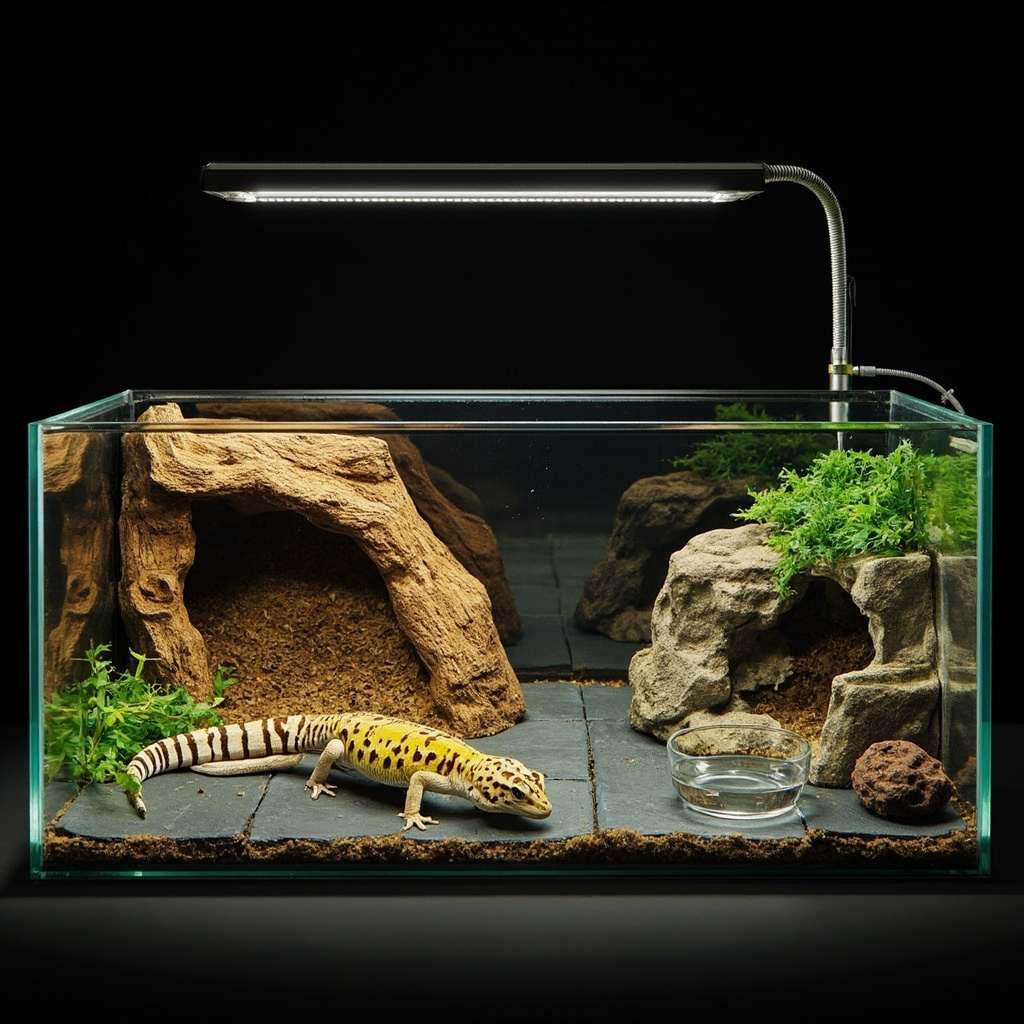
Digestion depends on an appropriate thermal gradient. If the warm hide is too cool, food may move slowly and the gecko may become less active. Dehydration can also make stool harder to pass. Use a reliable thermostat and confirm surface temperatures with a suitable measuring method; the leopard gecko temperature guide and the reptile thermostat guide cover the setup in more detail.
Provide a clean water dish and a humid hide with correctly maintained moisture. A leopard gecko shedding guide explains why a humid hide supports normal shedding, but it isn’t a cure for a suspected obstruction. Routine calcium support, using a reptile calcium powder without vitamin D3 such as Fluker’s calcium, helps with overall mineral balance and pairs with appropriate UVB exposure as part of a leopard gecko impaction prevention plan. Hydration status affects stool consistency and the speed of digestive transit; a gecko that drinks regularly, uses a humid hide, and sheds in clean pieces usually has adequate hydration for normal digestion, while a gecko that produces dry urates or sheds in patches may benefit from a husbandry review alongside any veterinary advice.
Feeding and Health Problems
Oversized prey, infrequent access to water, and sudden diet changes can contribute to digestive trouble. A leopard gecko’s feeding plan should use appropriately sized insects and routine calcium support, as described in the leopard gecko diet guide. A common preventative pairing with feeder insects is a reptile calcium powder without vitamin D3 such as Fluker’s calcium, used according to a species-appropriate schedule. Parasites, retained eggs, and other diseases can also cause poor appetite or abnormal stool. Calcium and bone-health issues in leopard geckos share several risk factors with impaction, so it’s worth reading the metabolic bone disease in reptiles guide if husbandry is being reassessed. That’s why diagnosis matters before treatment, and why a leopard gecko impaction workup usually checks husbandry, hydration, and parasite status together rather than in isolation.
What to Do While You Arrange Care
First, record the last meal, last normal stool, prey size, recent enclosure temperatures, and any change in activity. Take a photograph of abnormal stool or the abdomen if it can be done without stressing the gecko. Move the animal to a clean, easy-to-monitor enclosure if loose substrate makes observation difficult. Before the appointment, gather information that helps the clinician: the thermostat’s recorded temperatures, the brand and size of recent feeders, the last shed date, the calcium and supplementation schedule, and any products used in the enclosure. A photo of abnormal stool, if available without stress, can speed up the diagnostic process.
Keep handling brief and keep the enclosure within the species-appropriate temperature range. You can offer water, but don’t force-feed a weak animal. Do not give mineral oil, vegetable oil, a laxative, an enema, or medication meant for people. A warm soak is sometimes suggested online, yet it can chill or stress a gecko and won’t remove a true obstruction; ask a veterinarian before attempting it.
A veterinarian may recommend an examination, fecal testing, radiographs, fluids, or other treatment based on the findings. The plan depends on whether the problem is constipation, a blockage, parasites, or another condition. Treatment at home isn’t a reliable substitute for that assessment.
Prevention After Recovery
Prevention of leopard gecko impaction starts with consistent husbandry rather than a single product. Feed prey that is no larger than the space between the gecko’s eyes, keep a suitable humid hide available, and monitor body condition and stool patterns. Use long feeding tongs such as OLIISS reptile tongs to control prey placement and reduce accidental substrate ingestion; the leopard gecko enclosure guide covers habitat basics and the leopard gecko tank size guide explains how enclosure dimensions fit into feeding and waste monitoring.
Review the enclosure after any illness. Check thermostat function, warm-side temperatures, hide locations, water access, and the substrate around feeding areas. If a gecko has recurrent constipation, don’t keep changing products without guidance. Ask the veterinarian whether parasites, diet, hydration, or another health issue should be investigated. Long-term monitoring is more useful than any single change: weigh the gecko monthly on a small kitchen scale and log body weight and tail thickness, since both are leading indicators of hydration and overall condition; photograph the enclosure after each cleaning so the setup stays consistent; and keep a simple written record of stool frequency, prey items, and any behavior change, because small drifts often precede larger problems and a log makes those drifts easier to discuss with a reptile-experienced veterinarian.
When Impaction Is an Emergency
Seek urgent reptile veterinary care for collapse, severe weakness, repeated vomiting, labored breathing, a rapidly enlarging abdomen, bleeding, a prolapse, or inability to use the hind limbs. A juvenile, gravid female, or chronically ill gecko may deteriorate quickly. If you’re unsure whether the signs are urgent, call the clinic and describe the symptoms rather than waiting for a forum diagnosis.
A severe leopard gecko impaction is a useful warning term, not a complete diagnosis. Early veterinary advice gives your leopard gecko the best chance of receiving the right treatment while avoiding unsafe home remedies.
Sources
- Merck Veterinary Manual: Overview of Reptiles — type: authority; access-year: 2026
- VCA Animal Hospitals: Leopard Geckos — type: authority; access-year: 2026