Why Temperature Conversion Matters for Reptile Care
Reptile husbandry guides, care sheets, and product manuals publish temperatures in both Celsius and Fahrenheit. If you’re reading a care guide from the UK or Europe, the temperatures are in °C; US guides use °F. The temperature converter above gives you an instant, bidirectional conversion so you never misread a critical basking temperature.
Understanding the Temperature Gradient
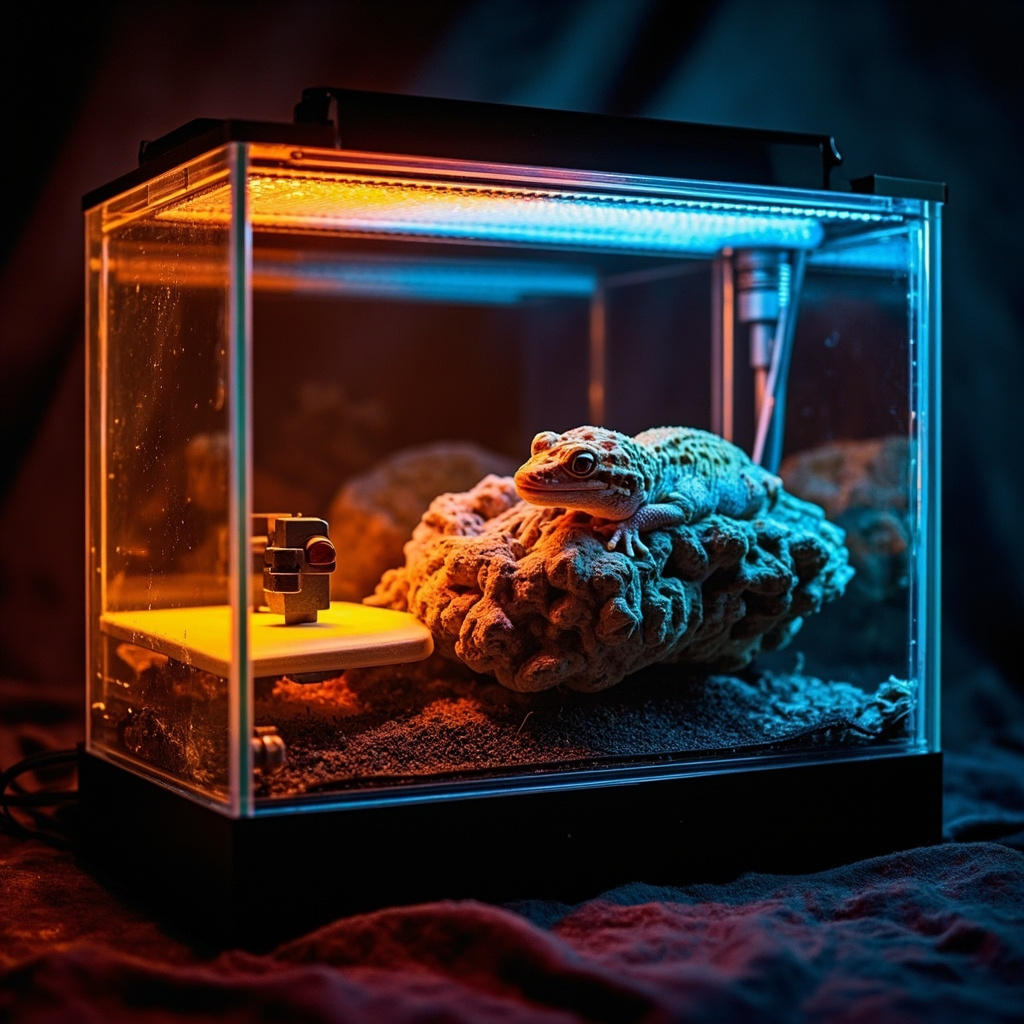
Every reptile enclosure needs a temperature gradient — a range from a hot basking spot down to a cool retreat. The converter highlights which gradient zone your temperature falls into:
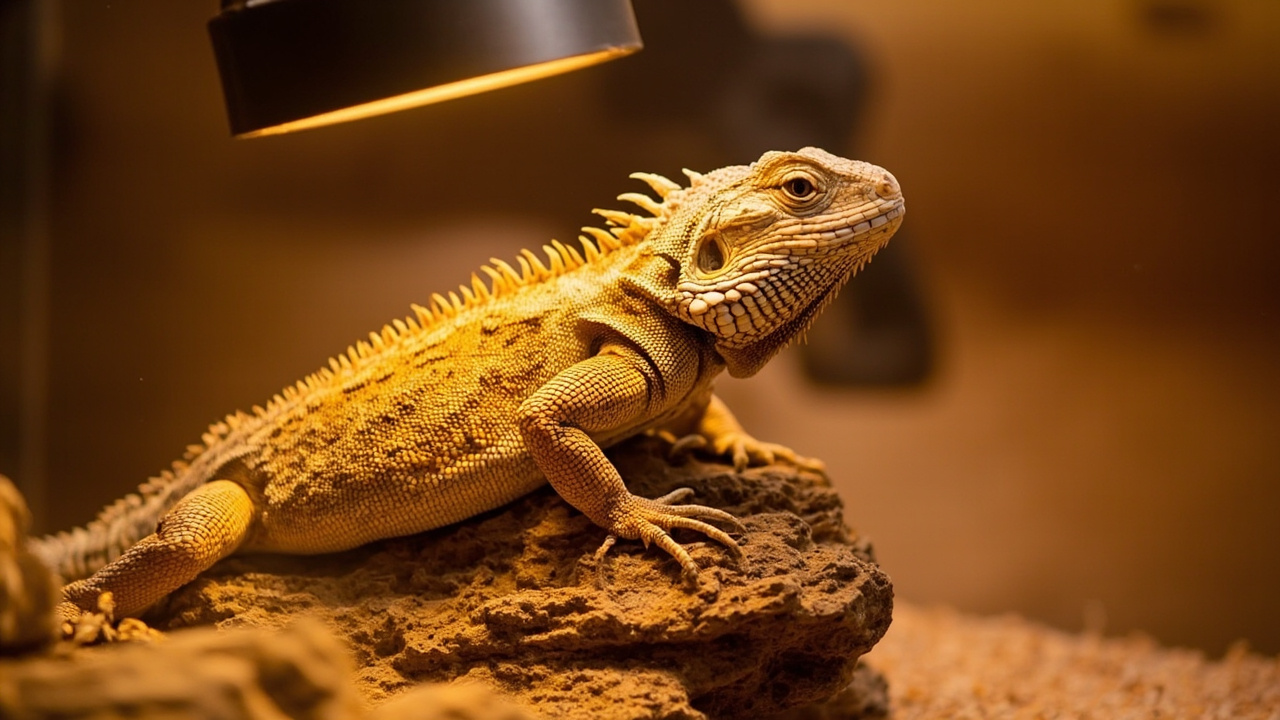
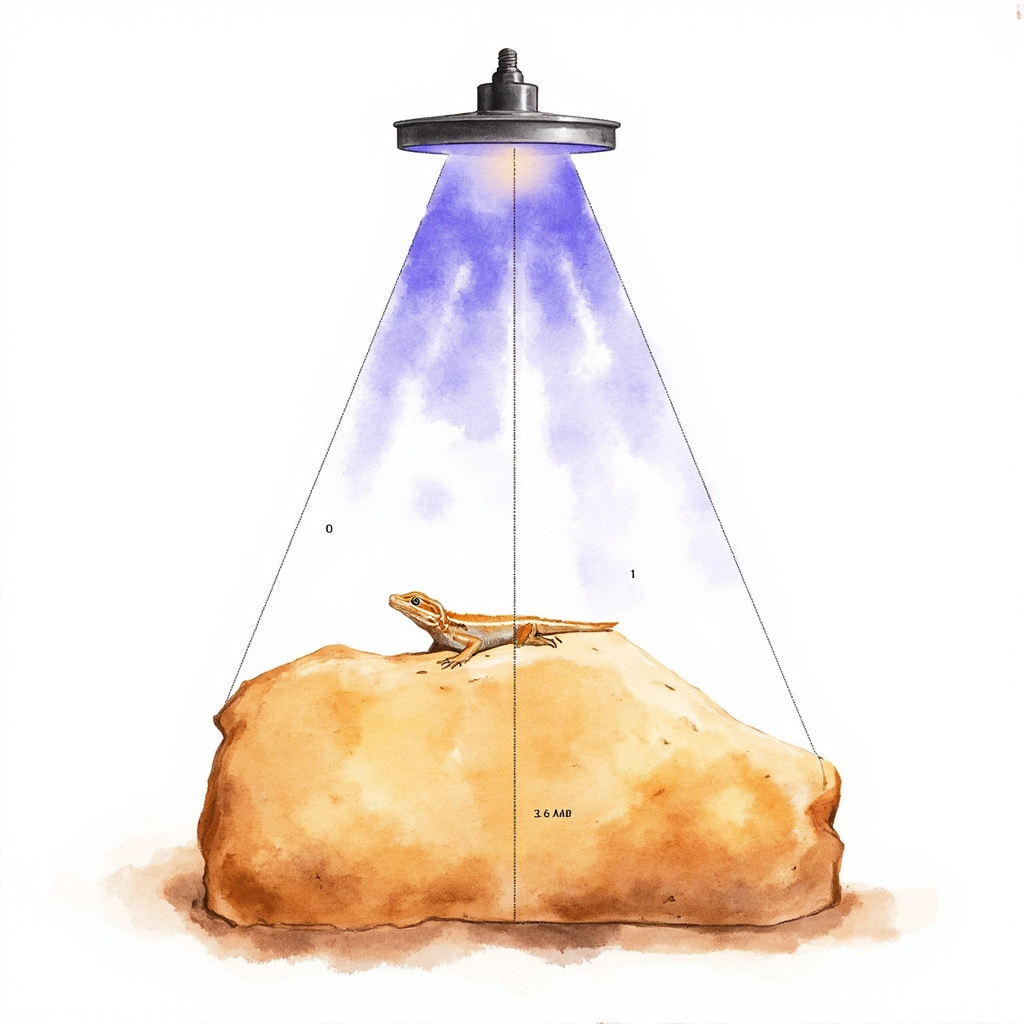
- Basking surface (95–110°F / 35–43°C): The hottest spot where your reptile digests food and synthesizes vitamin D3. Measured at the surface, not the air.
- Warm side ambient (85–95°F / 29–35°C): The air temperature on the heated half of the enclosure.
- Cool side ambient (75–85°F / 24–29°C): The air temperature on the unheated half, letting your reptile cool down.
- Night drop (65–75°F / 18–24°C): Safe overnight temperatures for most species.
A proper gradient is non-negotiable — without a cool side, a reptile can overheat and suffer heat stress . Without a warm enough basking spot, they cannot digest food and may develop metabolic bone disease [^1].
Species-Specific Reference Temperatures
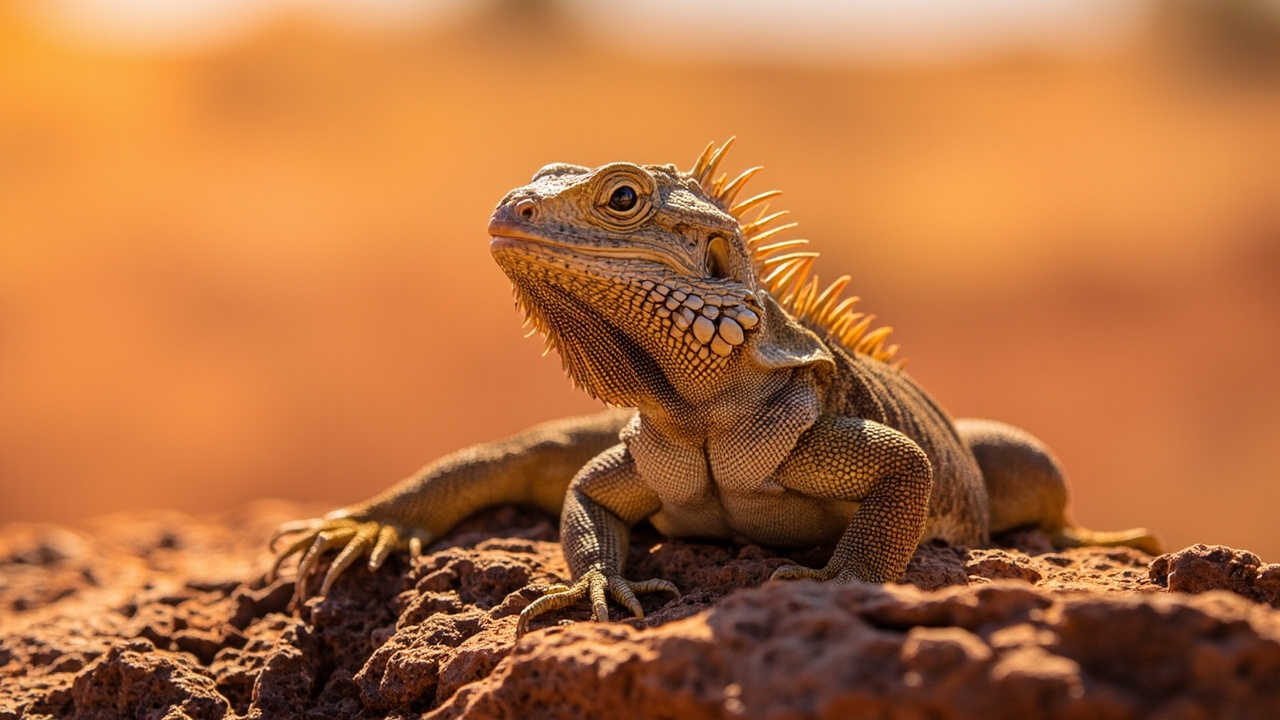
Different species need different temperature ranges. A bearded dragon basks at 100–110°F, while a leopard gecko prefers a cooler 88–93°F basking spot. Ball pythons and corn snakes need warm-side ambient heat rather than intense basking surfaces. Always verify the target range for your specific animal.
How to Measure Temperature Accurately
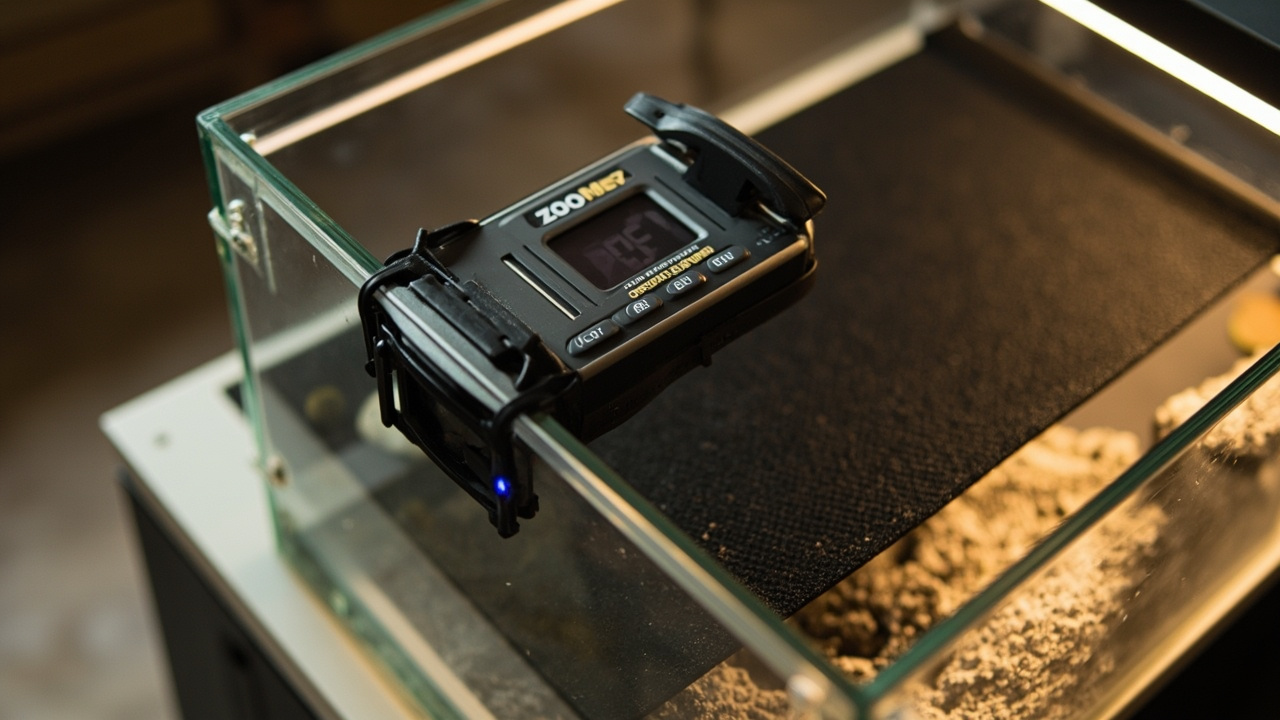
- Use two thermometers — one on the warm side, one on the cool side — placed at the animal’s body height.
- Measure basking surface temperature with an infrared thermometer (temp gun), pointed at the rock or branch where your reptile sits. Air thermometers underestimate surface temps by 10°F or more.
- Check the gradient daily. Heating elements drift with age, and seasonal room temperature changes shift your whole gradient.
Heating Equipment Essentials
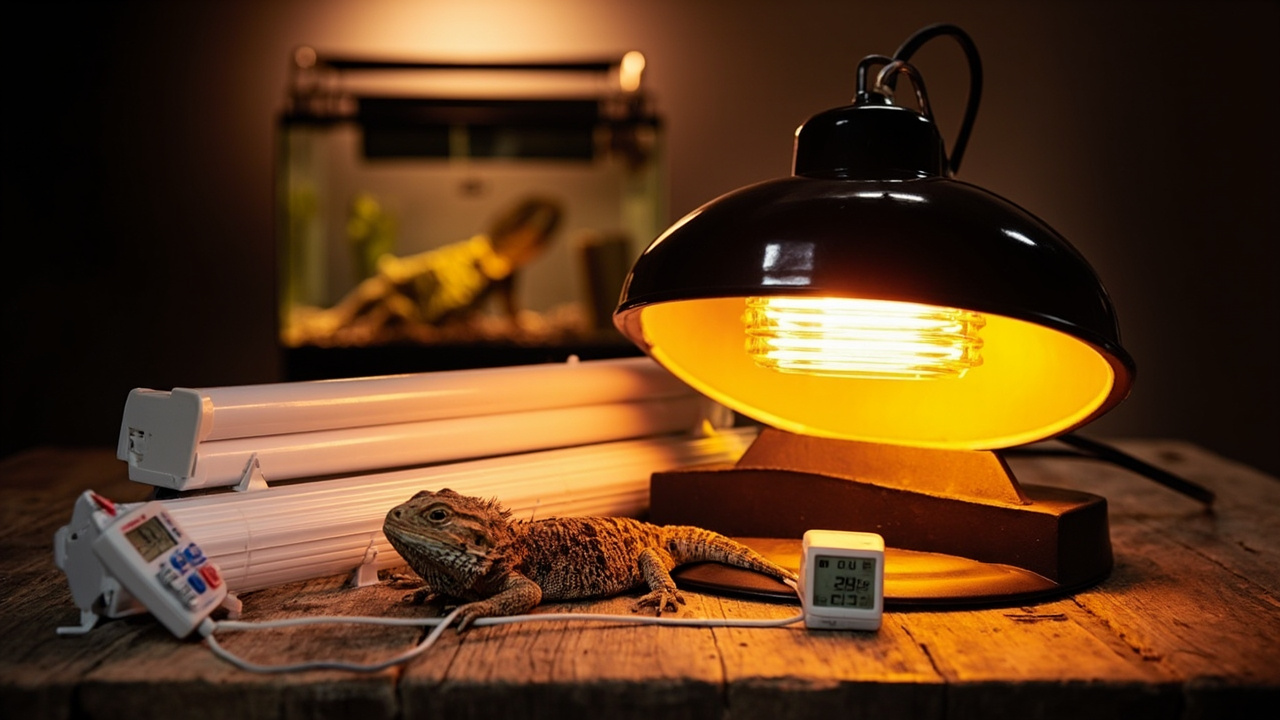
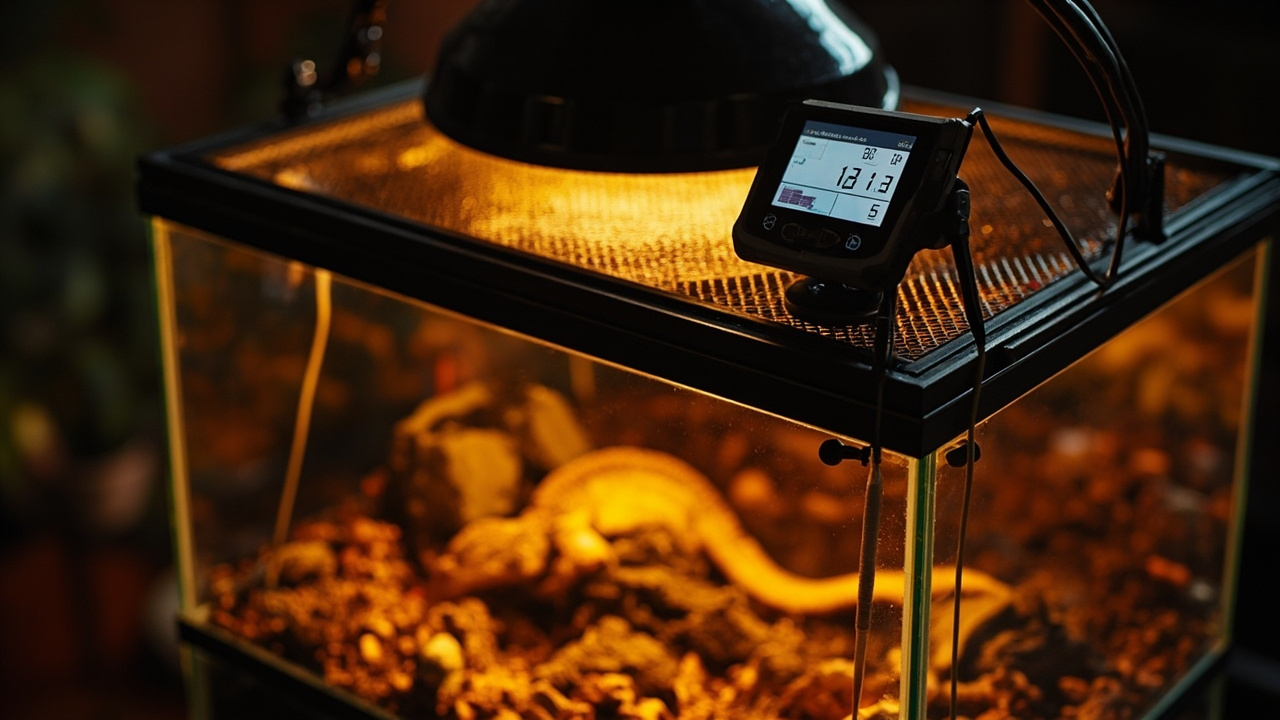
Building a reliable gradient requires the right heating equipment . A thermostat is mandatory for safety — unregulated heat mats and lamps can reach dangerous temperatures. Pair a basking lamp or ceramic heat emitter with a thermostat probe placed at the basking site for closed-loop control. See our complete heating and lighting setup guide for the full system.
Common Temperature Conversion Pitfalls
- Don’t trust analog dial thermometers — they’re often 5–10°F off. Upgrade to digital.
- Don’t measure air temp at the basking site — measure the surface. A rock under a heat lamp can be 105°F while the air above it reads 92°F.
- Remember the night drop. Most species benefit from a 5–15°F nighttime temperature drop, but tropical species like crested geckos should never drop below 65°F.
Use the converter above any time you’re setting up a new enclosure, adjusting your thermostat, or reading a care guide that uses unfamiliar units.